

Stablecoins are often described as digital dollars. Under the law that now governs them, the terms attached to one can look very different from the terms on a bank deposit. Before you move savings into a payment stablecoin, it is worth knowing four of those terms.
The GENIUS Act (Public Law 119-27) was signed on July 18, 2025. It sets federal rules for companies that issue payment stablecoins. It takes effect on the earlier of 18 months after enactment (January 18, 2027) or 120 days after federal regulators issue final rules (Section 20).
1. Tokens can be frozen
An issuer may issue payment stablecoins only if it can comply, and will comply, with any "lawful order" (Section 4(a)(6)(B)). The law defines a lawful order as a final and valid order issued under federal law by a court or an authorized federal agency that requires the issuer to seize, freeze, burn or prevent the transfer of specified tokens. Those orders are subject to judicial or administrative review or appeal (Section 2(16)).
What it means: the issuer must be able to stop specific tokens from moving.
2. No federal deposit insurance
Payment stablecoins are not backed by the full faith and credit of the United States. They are not guaranteed by the U.S. government, and they are not covered by FDIC deposit insurance or NCUA share insurance. It is unlawful to suggest otherwise (Section 4(e)).
What it means: a stablecoin balance does not carry the protection most people assume a bank deposit has.
3. Activity is monitored
Issuers are treated as financial institutions under the Bank Secrecy Act. They must verify customers, keep records, monitor and report suspicious transactions, and have the technical ability to block, freeze and reject prohibited transactions (Section 4(a)(5)(A)).
What it means: payments in a regulated stablecoin are watched and can be stopped.
4. No interest just for holding it
Issuers may not pay holders any form of interest or yield, in cash, tokens or other consideration, solely for holding, using or keeping the stablecoin (Section 4(a)(11)).
What it means: a one-dollar token is designed to stay at one dollar. Holding it does nothing by itself to protect what that dollar buys.
What this means for your money
A blocked transfer can interrupt access when a bill comes due. And you should not have to become a securities lawyer to understand your own savings.
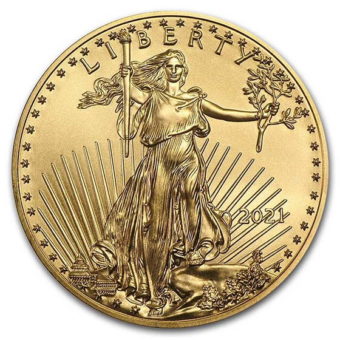
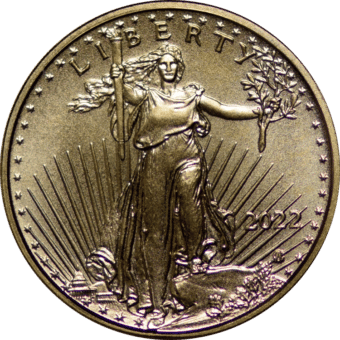
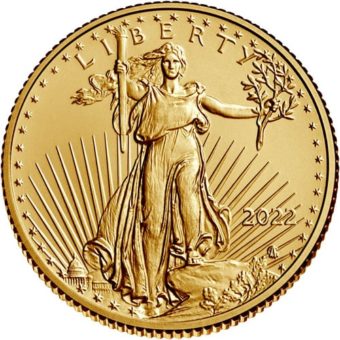
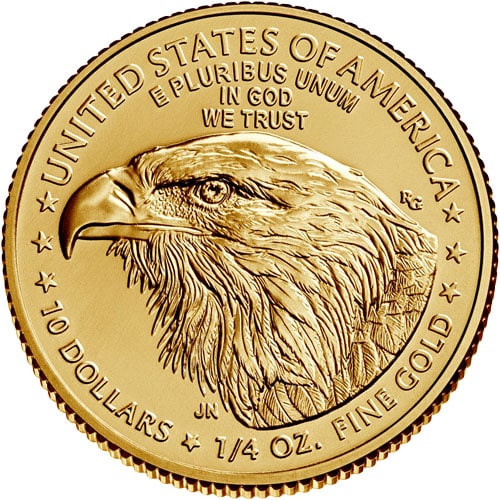
That is why we encourage looking at physical gold and silver ownership alongside the terms of any digital balance. Metals you hold directly do not require an issuer's online approval to access. Their prices go up and down, and storage, security and selling costs matter. For many households, metals are one part of a broader plan rather than the whole plan.
If you would like to talk it through, call GSI Exchange at 1-800-474-9159.
Read the law
- GENIUS Act, Public Law 119-27 (full text, govinfo.gov)
- GENIUS Act, Public Law 119-27 (PDF, congress.gov)
For information only. Not financial, legal or tax advice. True Bullion LLC dba GSI Exchange does not act as an Investment Adviser, and no member of its staff acts as an Investment Adviser Representative. Precious metals involve risk, including loss of principal. For full disclosures, see the GSI Customer Agreement and Disclosures.