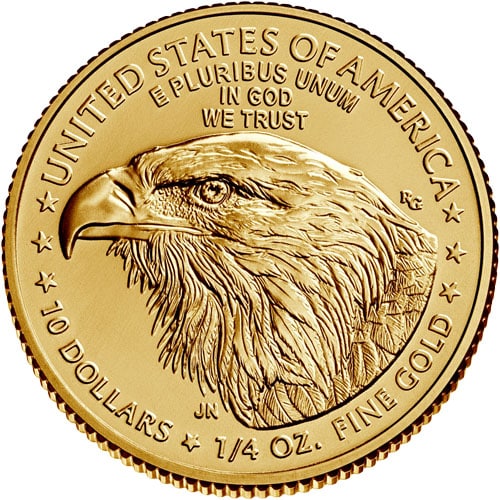


Gold and silver bounced at Friday's open, but this week belonged to the bond market. The 10-year Treasury yield touched its highest level since 2002 on Wednesday, Fed minutes kept another rate hike on the table, and gold slid to a two-month low. By Friday morning, a softer dollar, easing yields, and cooler oil (after Trump pledged not to strike Iran before the midterms) pulled both metals back up. Here's how it all fit together.
DAILY RECAP
🟡 Monday, Oct. 5: Gold $4,137.70 | Silver $60.90
Gold barely budged (-0.05%) as a hot ISM services prices-paid reading of 74.0, the highest since July 2022, and a 10-year yield near 5.31% capped its rebound. Silver gained about 1%, helped by October hike odds sliding to roughly 22%-24% from about 70% a week earlier.
Gold stood still while silver did the work.
🟢 Tuesday, Oct. 6: Gold $4,165.40 | Silver $61.26
Gold rose 0.63% and silver 0.53% as yields eased from 24-year highs (the 10-year slipped to about 5.27%), the dollar softened, and oil steadied near $100 Brent. The S&P 500 closed at a record 7,818.93.
A little relief from yields was all the metals needed.
🔴 Wednesday, Oct. 7: Gold $4,109.90 | Silver $59.67
Gold fell 1.28% and silver 2.55% after the Fed minutes showed most officials still expect another hike by year-end. The 10-year touched 5.36% before easing to about 5.28% on a strong $39 billion auction, but the dollar held firm.
The Fed kept December on the table, and gold paid for it.
🟡 Thursday, Oct. 8: Gold $4,132.30 | Silver $59.05
Gold gained 0.55% while silver slipped 1.03%. A solid 30-year auction, which cleared at 5.618%, pulled yields back from their morning highs. Brent settled 4.1% higher at $104.28 on tanker attacks and Gulf storm shut-ins. Weekly jobless claims came in at 197,000.
A bond auction gave gold a lifeline. Silver, tied to industry and risk appetite, didn't get one.
🟢 Friday, Oct. 9 (opening figures): Gold $4,184.80 | Silver $60.44
Gold rose 1.27% and silver 2.32% as the dollar softened, the 10-year eased to about 5.25%, and Brent slipped to roughly $102.58 after Trump's pledge not to attack Iran before the midterms.
Gold needed a softer dollar, calmer yields, and cheaper oil. Friday morning delivered all three.
The 10-Year Yield Just Hit Its Highest Level in 24 Years
The big picture
The 10-year Treasury yield touched about 5.36% on Wednesday, its highest level since April 2002, topping the high it set just two days earlier.
Driving the news
- The 30-year yield reached roughly 5.73%, and the average 30-year mortgage rate climbed to 7.49% from 7.30% in a week, according to the Mortgage Bankers Association.
- Yields backed off their highs after a solid $39 billion 10-year note auction, which cleared at about 5.3%, the highest auction yield since 2000.
- The 10-year yield eased to around 5.24% on Thursday after a decent but less impressive 30-year auction.
- The selloff isn't just an American story: Japan's 10-year yield is at a three-decade high, UK gilt yields are at their highest since 2008, and France's 10-year is approaching 5%.
Why it matters
The yield on inflation-protected 10-year Treasuries has climbed from 1.90% to about 2.94% this year, so this isn't just inflation fear. Investors are demanding more real return to hold government debt, with a $1.9 trillion deficit and net interest costs above $1 trillion in the background. That raises the opportunity cost of holding gold and puts pressure on every rate-sensitive corner of the economy.
What to watch
Whether yields hold below Wednesday's high, and how Wednesday's CPI report moves rate expectations ahead of the Fed's Oct. 27-28 meeting.
The bottom line
Last week's yield highs barely had time to settle before this week took them out.
The Fed Minutes Say Another Hike Is Coming. They Just Don't Say When.
The big picture
The minutes of the Fed's September meeting showed unanimous support for last month's quarter-point hike to 3.75%-4.00%, and most officials still see another increase as likely by year-end.
Driving the news
- All participants backed the hike. Many framed it as insurance against persistent inflation, others saw it as necessary on their baseline outlook, and a couple pointed to a higher estimate of the neutral rate.
- The minutes set no timetable: officials said they approach each meeting with an open mind and will decide on incoming data, which leaves both Oct. 27-28 and December in play.
- The discussion took place before the cooler August PCE report and September's weak payrolls, so the minutes describe a Fed with less data than it has now.
- Markets barely reacted. The dollar firmed and gold slid, but yields and the dollar were already moving before the 2:00 pm release.
Why it matters
The minutes confirm the Fed's bias is still toward tightening even after the jobs miss. October hike odds have slid to the high teens after the payroll report, but December odds sit above 80%. The message that one more hike is coming this year is what's keeping long-term yields and the dollar firm.
What to watch
Wednesday's September CPI and Thursday's PPI. A hot print would revive October odds, and a soft one would push the next move out to December.
The bottom line
The Fed didn't blink in September, but it didn't promise October either.
Gold Slid to a Two-Month Low as the Dollar Hit Its Strongest Level Since April 2025
The big picture
Gold fell about 1.3% on Wednesday to roughly $4,110, its lowest level in two months, as a surging dollar and long-term Treasury yields gave back the relief from Friday's weak payrolls report.
Driving the news
- Gold's drop accelerated around 8:30 am ET, bottoming near $4,072 before recovering more than $40 as yields eased after the 10-year auction.
- The U.S. dollar index rose about 0.4% to roughly 102.3, a breakout above its 2026 highs and its strongest level since April 2025.
- Silver led on Monday, rising about 1% to around $60.90 while gold barely moved, but it fell harder Wednesday: the SLV silver fund dropped 2.94% against 1.67% for the GLD gold fund.
- China's central bank reported a 23rd straight month of gold purchases in September, which didn't stop the slide.
Why it matters
A metals strategist quoted by Reuters summed up the market's read as "higher for longer" rates, keeping yields and the dollar underpinned. Central bank buying is supporting gold over the long run, but day to day, the dollar and yields are in charge.
What to watch
Whether gold holds the 4,100 area it tested Wednesday, and whether a softer dollar or lower yields can give it room to rebuild.
The bottom line
A weak jobs report bought gold a brief rally. By Wednesday, yields and the dollar had taken it back.
Tanker Attacks Sent Oil Higher. Then Trump Promised No Iran Strike Before the Midterms.
The big picture
Brent crude settled 4.1% higher on Thursday at $104.28 as Iranian attacks on tankers picked up and a Gulf storm threatened production, then came off its highs after Trump said the U.S. won't attack Iran before the Nov. 3 midterms.
Driving the news
- Attacks on tankers around the Strait of Hormuz have reached their highest weekly level since the Iran war began, according to maritime-security trackers, and a tanker off Qatar was struck by multiple projectiles.
- A Saudi-led coalition intercepted Houthi missiles fired at Riyadh, and a Gulf storm prompted producers to shut in roughly 500,000 barrels a day, about 25% of Gulf of Mexico output.
- Trump said on Truth Social that talks with Tehran are "productive," that the U.S. blockade of Iranian ports remains in effect, and that oil is flowing through Hormuz. The U.S. has sent a counterproposal that Tehran says it is considering.
- Earlier in the week, oil had been hovering near $100 on stronger Gulf exports and the G7's agreement to release up to 100 million barrels from strategic reserves.
Why it matters
Oil drives the inflation story that's driving yields, the Fed, and gold. A pledge of calm until November gives markets a pause button, but only a temporary one, and previous statements from the administration about Iran haven't always matched what happened next.
What to watch
Whether tanker attacks continue despite the pledge, and whether Iran formally answers the U.S. counterproposal.
The bottom line
Moral: Markets got a pause button with an expiration date.
ECONOMIC CALENDAR
Monday, Oct. 12
- No economic releases scheduled. U.S. bond markets are closed for Columbus Day.
Tuesday, Oct. 13
- 10:00 am: Existing Home Sales (Sep.), prior: 3.98M
Wednesday, Oct. 14
- 8:30 am: CPI (Sep.), prior: 3.4% (core: 2.4%)
Thursday, Oct. 15
- 8:30 am: Initial Jobless Claims (week ending Oct. 10), prior: 197K
- 8:30 am: Empire State Manufacturing Survey (Oct.), prior: 7.6
- 8:30 am: Philadelphia Fed Business Outlook Survey (Oct.), prior: 37.8
- 8:30 am: PPI (Sep.), prior: 0.4% (core: 0.2%)
- 4:30 pm: Fed's Hammack speaks at Women's Trading Network Fireside Discussion
Friday, Oct. 16
- 9:15 am: Industrial Production & Capacity Utilization (Sep.), prior: 0.0% (cap. util.: 76.3%)
IMPACT ANALYSIS
Existing Home Sales
- Reading up = housing demand is holding up despite mortgage rates near 7.5%, which supports the case for more tightening (a headwind for gold).
- Reading down = high rates are choking the housing market, which strengthens the case for a slower Fed (supportive for gold).
August sales fell 2.0% to 3.98M, with a median price of $429,100 (+1.6% from a year earlier) and inventory at 1.62M, a 10-plus-year high. The average 30-year mortgage rate climbed to 7.49% this week.
Impact: Low to moderate.
CPI
- Reading up = hotter inflation revives October hike odds and lifts yields and the dollar (a headwind for gold).
- Reading down = cooler inflation validates the payroll slowdown and supports a pause (supportive for gold).
August headline CPI rose 0.4% on the month and 3.4% from a year earlier, with core up 0.3% and 2.4%. BLS said gasoline drove the August gain, and with Brent still near $100, the headline risk is another energy-led increase. October hike odds sit in the high teens after the payrolls miss, and a hot core reading could revive them.
Impact: High. The most consequential release of the week.
Initial Jobless Claims
- Reading up = layoffs are building, which would deepen the payroll-slowdown story and ease pressure for more hikes (supportive for gold).
- Reading down = layoffs stay low, which supports the case for more tightening (a headwind for gold).
Last week's report showed initial claims at 197,000 and continuing claims at 1.716 million, which fits a low-layoff, slow-hiring labor market. A move well away from that range would matter more than the weekly noise.
Impact: Low to moderate.
Empire State Manufacturing Survey
- Reading up = New York factory activity is firming, which supports a more hawkish Fed (a headwind for gold).
- Reading down = factory weakness adds to the slowdown story (supportive for gold).
September's index fell to 7.6 from 20.6, missing the 14.8 forecast. New orders edged up, while shipments declined slightly.
Impact: Low to moderate.
Philadelphia Fed Business Outlook Survey
- Reading up = regional manufacturing is holding up, which supports more tightening (a headwind for gold).
- Reading down = factory momentum is fading, which supports a slower Fed (supportive for gold).
September's index came in at 37.8, down from 47.4 but ahead of the roughly 31 forecast. The employment index dropped to 11.8 from 27.9, the six-month outlook fell to 52.9 from 73.6, and prices paid rose to 48.6.
Impact: Moderate.
PPI
- Reading up = producer prices are feeding into consumer inflation, adding to hike risk (a headwind for gold).
- Reading down = pipeline inflation is cooling, which supports a pause (supportive for gold).
August headline PPI rose 0.4% on the month and 5.4% from a year earlier, with core up 0.2% and 4.6%. Energy and diesel drove the headline. Because PPI lands the day after CPI, traders will read the two together.
Impact: Moderate to high.
Industrial Production & Capacity Utilization
- Reading up = output is rebounding, which supports a more hawkish Fed (a headwind for gold).
- Reading down = industrial weakness adds to the slowdown story (supportive for gold).
August output was flat (0.0%). Manufacturing fell 0.3%, snapping a seven-month streak, while utilities rose 1.8%. Capacity utilization held at 76.3%, about 3 points below its long-run average.
Impact: Low to moderate.