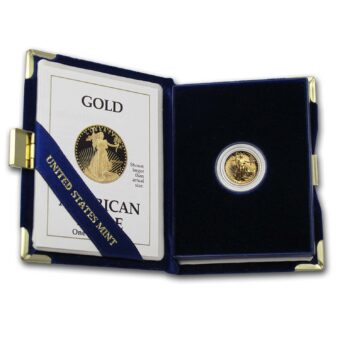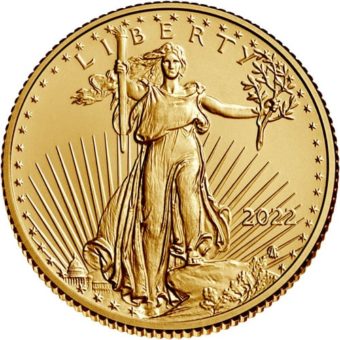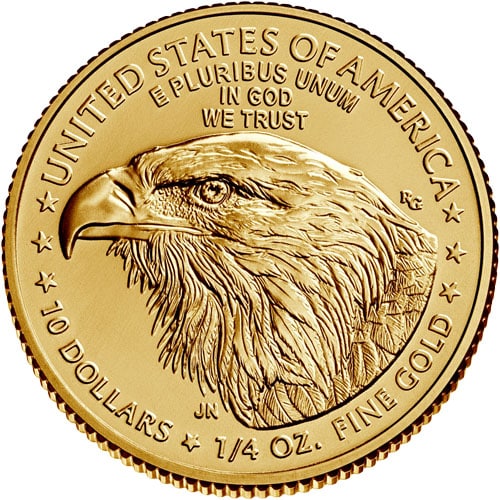


Gold and silver are closing out the year with powerful momentum, as Gold and Silver 2025 Outlook continues to strengthen on a mix of cooling inflation, rising geopolitical risk, and accelerating industrial demand. Throughout the final week of 2025, precious metals responded to softer economic data, shifting central-bank expectations, and structural supply pressures—especially in silver—reinforcing their role as both monetary hedges and critical inputs in the global energy transition.
Monday (12.15.25): Gold pared early gains and traded near flat Monday as short-term profit-taking took the edge off the rally, while silver held onto most of its overnight strength. February gold slipped $0.90 to $4,327, even as March silver jumped $1.27 to $63.28. Hints of progress in Russia–Ukraine peace talks eased risk aversion and weighed on gold, while mixed global equity markets added to the choppy tone. Meanwhile, China’s CMOC signaled long-term confidence in precious metals with a $1 billion deal to buy Equinox Gold’s Brazilian assets, underscoring continued strategic demand beneath the surface.
Tuesday (12.16.25): Gold and silver edged higher midday Tuesday after a mixed batch of U.S. economic data suggested the economy is slowing—but not breaking. February gold rose $15.80 to $4,350.70, while March silver hovered near flat at $63.67, both rebounding from overnight losses. Payrolls showed modest improvement but unemployment ticked up to 4.6%, retail sales stalled, and business activity cooled to a six-month low even as input costs jumped—keeping markets caught between growth worries and lingering inflation, a backdrop that continues to quietly support precious metals.
Wednesday (12.17.25): Gold and silver surged midweek as safe-haven demand and technical buying kicked in, with silver ripping to a fresh all-time high of $66.65 and March silver up $2.55 to $65.90, while February gold climbed $28.70 to $4,360.80. Silver is now up nearly 130% year-to-date, fueled by tightening inventories and heavy industrial demand from solar, EVs, and data centers. Geopolitical risk added fuel to the move after the U.S. ordered a blockade of sanctioned Venezuelan oil tankers and signaled potential new sanctions on Russian energy, pushing crude higher and reinforcing the bid for precious metals as investors reached for hard-asset protection.
Thursday (12.18.25): Gold shook off overnight losses and jumped to a two-month high after a much cooler-than-expected inflation report boosted rate-cut hopes. February gold rose $28.20 to $4,400, while silver slipped on routine profit-taking but stayed well above earlier lows, with March silver at $66.25 after last week’s record run. November CPI came in at 2.7% year over year, well below the 3.1% forecast, while core inflation cooled to 2.6%, its lowest since 2021—data that strengthens the Fed “dove” case for more rate cuts, a setup that’s typically bullish for precious metals and bearish for the U.S. dollar.
Friday (12.19.25): Gold eased slightly while silver stayed hot to close out a quieter pre-holiday session: February gold slipped about $10 to $4,354, while March silver jumped roughly 75 cents to $65.96, still just shy of this week’s record. Global stocks were mixed overnight, with U.S. futures pointing modestly higher. Overseas, the Bank of Japan lifted rates to a 30-year high (0.75%) as expected, but a softer-than-hoped tone sent the yen lower despite signals of more hikes ahead. Geopolitics stayed tense after Vladimir Putin said Russian forces are advancing across Ukraine, even as he reiterated Moscow’s hard-line conditions for any peace talks. Meanwhile, crude oil slid toward $56 a barrel and headed for a second straight weekly loss, pressured by oversupply, rising OPEC+ output, and early signs of demand fatigue—leaving oil down about 20% for the year.
—-------
EV Batteries Are Turning Silver Into a Strategic Bottleneck
The big picture
Silver is shifting from a dual-purpose metal into a mission-critical industrial input. As electric vehicles and next-generation batteries scale globally, silver demand is becoming structural—putting investors in direct competition with manufacturers, governments, and strategic supply chains.
Driving the news
Advanced battery research and EV electrification are pulling silver deeper into energy systems where its physical properties are difficult to replace. Battery developers—including Samsung SDI and other major players—are actively exploring silver-based materials in solid-state and next-generation lithium designs to solve problems like overheating, charging inefficiency, and durability.
By the numbers
• Highest conductivity: Silver conducts electricity better than any other metal.
• 70–90 million: Typical annual global auto production range.
• Millions of units: EV battery demand scales linearly with vehicle production.
• Trillion-dollar buyers: Automakers, battery firms, and governments now drive marginal silver demand.
Why it matters
Historically, industrial silver use relied on tiny quantities. Advanced energy systems are different: batteries are large, mass-produced, and material-intensive. Even small increases in silver usage per battery—multiplied across millions of vehicles—can overwhelm traditional investment and jewelry demand.
What to watch
Watch EV adoption mandates, battery technology breakthroughs, and long-term supply contracts. Also monitor whether industrial buyers begin securing silver upstream, tightening availability before price signals fully reflect the shift.
The bottom line
Silver is no longer just a monetary or ornamental metal—it’s becoming an energy metal. As industrial demand takes priority, access and availability may matter more than spot prices. This isn’t a temporary spike; it’s a structural repricing driven by who controls silver at the margin.
—---
Gold Jumps Past $4,332 as Inflation Cools More Than Expected
The big picture
Gold prices surged after new inflation data showed U.S. price pressures cooling faster than expected, reinforcing the case that restrictive monetary policy may no longer be necessary.
Driving the news
November CPI data showed both headline and core inflation coming in below forecasts. With inflation easing and no month-to-month acceleration data available due to the government shutdown, markets focused on the year-over-year trend—sparking renewed buying interest in gold.
By the numbers
• $4,332.10/oz: Spot gold price following the CPI release.
• 2.7%: Headline CPI increase over the past 12 months, below the 3.1% forecast.
• 2.6%: Core CPI (excluding food and energy), under the 3.0% expectation.
• 0.13%: Intraday move in spot gold after the initial spike.
Why it matters
Cooling inflation undermines the Fed’s justification for keeping policy restrictive. For gold, lower inflation paired with potential rate cuts strengthens the metal’s appeal as both a monetary hedge and a beneficiary of easier financial conditions.
What to watch
Watch for follow-up inflation releases once data backlogs clear, along with January Fed policy decisions. Markets will also be sensitive to any renewed inflation pressures from tariffs, energy prices, or supply disruptions that could challenge the current disinflation narrative.
The bottom line
Gold’s move above $4,332 reflects a market increasingly convinced that inflation is no longer the Fed’s primary obstacle. If price pressures remain contained, expectations for rate cuts could continue to support higher gold prices into the new year.
—
U.S. Job Market Stalls as 2026 Downside Risks Build
The big picture
The U.S. labor market effectively froze in 2025, creating one of the toughest job-search environments in years. Heading into 2026, the dominant risk isn’t a rebound—but a potential crack if already-weak conditions deteriorate further.
Driving the news
The November jobs report showed unemployment unexpectedly rising to 4.6%, the highest level since mid-2021, while job growth turned negative across October and November. Hiring rates remain stuck near lows last seen during the early pandemic and the aftermath of the Great Recession. Surveys also show consumers increasingly expect unemployment to rise in the year ahead.
By the numbers
• 4.6%: U.S. unemployment rate in November, above the Fed’s 2025 peak forecast.
• –41,000 jobs: Estimated net job losses across October and November.
• 47.5%: Share of total 2025 job growth coming from healthcare alone.
• ~1.6%: Projected hiring increase for the Class of 2026—effectively flat year over year.
• 50%+: Employers rating the 2026 college job market as poor or fair.
Why it matters
A “low-hire, low-fire” labor market may sound stable, but it’s punishing for job seekers—especially new entrants. With growth concentrated in just a few sectors, any pullback (notably in healthcare) could tip a stagnant market into outright weakness. Even a mild downturn would disproportionately affect younger workers and historically disadvantaged groups.
What to watch
Watch upcoming labor reports as delayed data clears after the government shutdown, sector-specific hiring trends, and signals from the Federal Reserve. Immigration policy, population aging, and AI adoption may also reshape how many jobs are needed to keep unemployment steady.
The bottom line
The U.S. job market didn’t collapse in 2025—it stalled. But with hiring frozen, layoffs inching higher, and confidence eroding, 2026 looks less like a recovery year and more like a test of whether a stalled labor market can hold—or finally give way.
—
$9 Trillion U.S. Debt Wall Raises Inflation Fears as Fed Restarts Money Creation
The big picture
A massive wave of U.S. debt refinancing in 2026 is reviving fears that inflation pressures could return, as the Federal Reserve steps back into Treasury markets to keep borrowing costs under control.
Driving the news
Economist Peter St Onge warns that the Fed’s decision to halt quantitative tightening and resume purchases of short-term Treasury bills amounts to a renewed form of money creation. With roughly $9 trillion in federal debt coming due, he argues the Fed is effectively financing government borrowing that markets may not absorb on their own.
By the numbers
• $9 trillion: Estimated amount of U.S. federal debt maturing and needing refinancing.
• $40 billion/month: Pace of Fed Treasury purchases cited by St Onge.
• ~$500 billion/year: Annualized scale of renewed Fed buying.
• 20%: Peak U.S. inflation rate in 1947, following similar debt monetization during WWII.
• ~5× GDP: Estimated size of today’s financial sector relative to the economy, according to St Onge.
Why it matters
Debt monetization has a historical track record of fueling inflation when central banks prioritize financing government deficits and stabilizing markets. Critics argue that today’s situation is more precarious than past episodes, given the scale of debt and the financial system’s reliance on ongoing liquidity support.
What to watch
Watch Treasury auction demand, changes in Fed balance-sheet policy, and inflation expectations. Any sign that private buyers are stepping back—or that the Fed expands purchases beyond current levels—could intensify concerns about renewed inflationary pressure.
The bottom line
As trillions in U.S. debt come due, the Fed’s return to Treasury buying is reigniting fears that inflation risks are being deferred rather than resolved. If money creation becomes the default solution, today’s “temporary” support could turn into a lasting source of price instability.
—
NEXT WEEK’S KEY EVENTS
Economic Calendar: December 22 – 26, 2025 (ET)
MONDAY, Dec. 22
• None scheduled
TUESDAY, Dec. 23
• 8:30 am — Gross Domestic Product (GDP), delayed report (Q3)
• 10:00 am — Consumer Confidence (Dec.)
WEDNESDAY, Dec. 24
• 8:30 am — Initial Jobless Claims (Dec. 20)
THURSDAY, Dec. 25
• None scheduled, Christmas holiday
FRIDAY, Dec. 26
• None scheduled
IMPACT ON PRECIOUS METALS MARKETS
Gross Domestic Product (GDP), delayed report (Tue, 8:30 am ET)
• Strong or revised-higher growth → economic resilience narrative, supports yields and dollar; bearish for metals.
• Weak growth or downward revision → slowdown confirmation, supports easing expectations; bullish for gold/silver.
Subject to delay.
Consumer Confidence (Tue, 10:00 am ET)
• Rising confidence → stronger spending outlook, inflation persistence risk; bearish for metals.
• Falling confidence → demand concerns, risk aversion; bullish for gold/silver.
Subject to delay.
Initial Jobless Claims (Wed, 8:30 am ET)
• Rising claims → labor-market softening, easing rate pressure; bullish for gold/silver.
• Falling claims → labor resilience, reinforces higher-for-longer bias; bearish for metals.
Subject to delay.