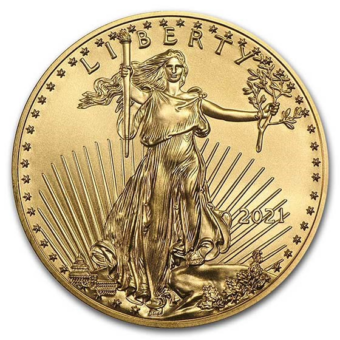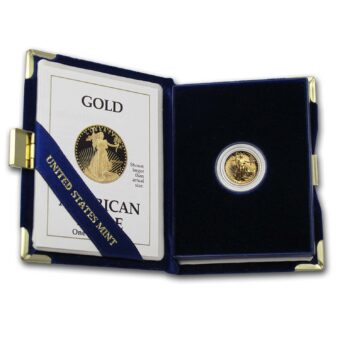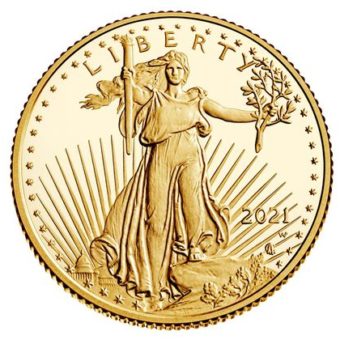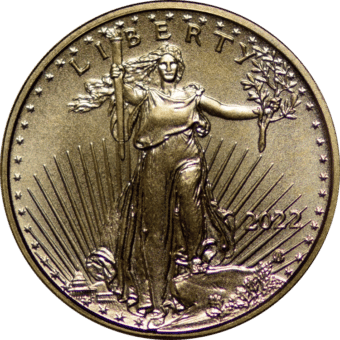


Monday - 9.22.25: Gold and silver jumped sharply Monday, with December gold up $64.50 at a record $3,770.30 and silver surging $1.22 to $44.17, its highest in 14 years. Analysts say lower global interest rates, strong ETF inflows, bullish charts, and safe-haven demand are fueling the rally, with no signs yet of a top. China also kept its key lending rates at record lows for the fourth straight month, a move seen as supportive for metals demand, while traders continue to bet on extended Fed rate cuts.
Tuesday - 9.23.25: Gold and silver soared Monday, with December gold up $38.40 at a record $3,811.60 and silver adding $0.33 to $44.45, another 14-year high. Analysts say the metals’ mature bull runs are accelerating — a sign major tops could arrive sooner in time, even if prices still have room to climb higher. The rally came as Bloomberg reported China is courting central banks to store reserves in Shanghai, boosting its influence in the gold market and challenging dollar dominance. Traders also kept an eye on Fed Chair Powell and Vice Chair Bowman, both speaking on the economic outlook.
Wednesday - 9.24.25: Gold and silver eased back Wednesday after big runs earlier this week, with December gold down $17.50 at $3,798.20 and silver off $0.33 at $44.28. Traders chalked it up to routine profit-taking after gold hit a record high and silver reached a 14-year high. Analysts note these kinds of pullbacks are normal “corrections” that can actually keep the bigger bull trend healthy — and with both metals breaking out of choppy ranges, there may still be plenty of upside left, even if a final, climactic phase could be approaching.
Thursday - 9.25.25: Gold lost its overnight gains Thursday after a stronger-than-expected U.S. GDP report, with December futures slipping $2.60 to $3,765.50, while silver jumped $0.86 to $45.05 — its highest level in 14 years. Traders say the upbeat 3.8% GDP reading (vs. 3.5% expected) and hotter inflation data pressured gold, but safe-haven demand is still bubbling thanks to shutdown fears in Washington and tensions in the Russia-Ukraine war, giving silver an extra boost.
Friday - 9.26.25: Gold and silver are both climbing after U.S. inflation data came in right on target, easing fears of a surprise spike. December gold is up $9.20 to $3,780, while silver hit a fresh 14-year high at $45.35. The Fed’s preferred gauge, the PCE index, showed core inflation steady at 2.9% annually, keeping pressure on policymakers as they weigh future rate cuts. With growth stronger than expected and the dollar at a four-week high, markets are split on whether the Fed will deliver two cuts this year or pull back.
Gold Steadies Above $3,750 as Core Inflation Holds at 2.9%, Paving Way for Fed Cuts
The Big Picture
Gold’s resilience above $3,750 an ounce is tied directly to cooling but steady U.S. inflation and expectations of more Federal Reserve easing. With core PCE holding at 2.9% in August—right in line with forecasts—the Fed has breathing room to keep trimming rates. Traders are reading this as a green light for gold to hold its ground, even as resistance levels cap the upside.
What’s Happening
The Commerce Department reported that core PCE, the Fed’s preferred inflation gauge, rose 0.2% in August after a 0.3% gain in July, keeping the annual rate flat at 2.9%. Headline PCE ticked up 0.3% on the month and 2.7% on the year, a slight rise from July’s 2.6%.
Despite tariffs under President Trump, consumer prices have not spiked. Strong income growth (+0.4%) and spending (+0.6%) show households remain resilient. This backdrop reinforces expectations for at least one more rate cut this year, with October seen as a near certainty.
Gold responded by holding firm just above $3,750, but momentum has cooled. Unlike earlier rallies, this move is less about panic and more about positioning as investors weigh the Fed’s easing cycle against sticky inflation and resilient consumer demand.
Details
- Core PCE: +0.2% in August; annual pace steady at 2.9%.
- Headline PCE: +0.3% in August; 2.7% annual vs 2.6% in July.
- Consumer strength: Personal income +0.4%; spending +0.6%.
- Fed outlook: Two more quarter-point cuts projected before year-end; October almost certain.
- Tariffs: Limited pass-through into prices as firms absorb costs.
- Gold reaction: Spot gold last at $3,751, flat on the day but firmly above support.
By the Numbers
- $3,751/oz: Spot gold’s late-session level.
- 2.9%: Core PCE annual inflation rate (unchanged).
- 2.7%: Headline annual inflation rate, up slightly from 2.6%.
- 0.4%: Monthly personal income growth.
- 0.6%: Monthly personal spending growth.
Why It Matters
Gold’s stability underscores its role as a hedge in an environment where inflation is contained but policy is loosening. With consumers spending and incomes rising, the Fed is unlikely to panic—but its bias toward easing keeps gold attractive. For investors, the balance of sticky inflation, resilient demand, and Fed accommodation points to gold remaining a key defensive asset.
The Bottom Line
Gold holding above $3,750 is less about runaway inflation and more about steady Fed-driven demand. With rate cuts on the horizon and global uncertainty simmering, the metal looks supported—even if resistance caps the upside for now.
Gold’s Surge Signals ‘Deliberate Recalibration of the Global Order,’ Says SPI’s Stephen Innes
The Big Picture
Gold’s run toward $4,000 per ounce is not just a bullish streak — it’s a historic shift that reflects deep geopolitical and financial unease. Stephen Innes of SPI Asset Management argues the rally represents a calculated move by central banks and sovereign players to diversify away from fiat currencies, signaling a global realignment not seen since the late 1970s.
What’s Happening
Gold has surged 45% this year, surpassing its inflation-adjusted 1980 peak and tearing through psychological resistance levels. Innes described the rally as “historic and unnerving,” fueled less by inflation fears and more by systemic mistrust in fiat systems.
Unlike the retail-driven panic of 2011, today’s momentum is anchored in deliberate sovereign choices. Central banks are stockpiling gold, with China symbolically positioning Shanghai as an alternative reserve hub. This shift suggests nations are strategically hedging against U.S. dollar dominance and fragile global finance.
Even as U.S. equities soar on liquidity and easing, Innes sees both rallies as connected — evidence of monetary debasement and waning faith in fiat credibility. He warns that ignoring gold’s message could mean overlooking a structural recalibration of the global order.
Details
- Historic run: Gold up 45% YTD, eyeing $4,000 per ounce.
- Surpassed 1980 peak: Prices now above prior inflation-adjusted record.
- Drivers: Central bank buying, capital flight from fiat, geopolitical hedging.
- China’s move: Shanghai opened as alternative gold vault, signaling diversification.
- Market context: U.S. equities at record highs, but momentum partly fueled by monetary debasement.
- Comparison to history: 1979 = fear-driven firestorm; 2011 = retail panic; 2025 = sovereign recalibration.
By the Numbers
- $3,779.34/oz: Overnight gold high this week.
- ~$3,800/oz: Edge of current rally before pullback.
- 45%: Gold’s YTD surge in 2025.
- 1%: Daily gain on Tuesday that brought $4,000 closer.
Why It Matters
Gold’s rise underscores a shift in global finance: nations are hedging against the dollar, signaling mistrust in fiat and central bank credibility. For investors, the move suggests gold is no longer just an inflation hedge — it’s becoming a cornerstone of sovereign strategy in a fragmented, unstable world.
The Bottom Line
This rally isn’t retail mania or short-term inflation fear — it’s a structural reset. As Innes warns, gold’s climb reflects a deliberate recalibration of the global order. Ignoring its message could mean missing the clearest signal of shifting power in global markets.
EU Finance Ministers Approve Roadmap for Digital Euro, Delay Decision on Holding Limits
The Big Picture
EU finance ministers have endorsed a roadmap for a digital euro, edging the European Central Bank (ECB) closer to launching the currency. The plan sets up a process for imposing caps on individual holdings, but no limits have been decided yet. Privacy concerns remain the biggest hurdle, with critics fearing the digital euro could undermine financial freedom.
What’s Happening
At a Eurogroup meeting in Copenhagen, ministers agreed on the “how” — a timetable and framework for introducing holding limits — but not the “how much.” The roadmap outlines a multi-step process that could take more than two years before any official launch.
The ECB has defended the project, saying the digital euro will offer a reliable, privacy-protecting alternative to cash, including offline functionality. Yet skeptics argue that anonymity cannot be guaranteed, raising fears about surveillance and restricted access.
The debate comes as central bank digital currencies face broader global scrutiny. The UK, for instance, has faced backlash over proposals to limit stablecoin balances, highlighting growing unease about restricting consumer choice.
Details
- Holding caps: No numbers set yet; ministers agreed only on process and timing.
- ECB stance: Promises privacy protections; offline version to mimic cash confidentiality.
- Critics: Privacy advocates warn central issuance risks surveillance and loss of anonymity.
- Institutional friction: ECB vs. national central banks over potential impact on traditional banking.
- Geopolitical push: EU officials cite global instability as a reason to accelerate rollout.
By the Numbers
- >24 months: Minimum notice before launch.
- >12 months: ECB submits cap proposal to European Council.
- >6 months: Council responds before final decision.
- 1970s: First era of major EU financial integration (context for scale of shift).
Why It Matters
The digital euro could reshape Europe’s financial system, offering a state-backed alternative to cash. Supporters say it would modernize payments and ensure resilience in crises. But the unresolved questions on privacy, autonomy, and holding caps could erode trust, making adoption difficult.
The Bottom Line
The EU has a roadmap, but not a consensus. The digital euro is closer than ever to becoming reality — yet unless policymakers can convince the public that privacy and access are safeguarded, skepticism may stall its acceptance.
Fed Chief Powell Says Stock Prices Appear ‘Fairly Highly Valued’
The Big Picture
Federal Reserve Chair Jerome Powell acknowledged that U.S. equity prices look stretched, even as markets rally to record highs following the Fed’s recent rate cut. While he downplayed systemic risks, his comments hint at the Fed’s growing awareness of elevated valuations.
What’s Happening
Speaking in Providence, Rhode Island, Powell said policymakers monitor financial conditions broadly, including asset prices, to gauge how well monetary policy is working. He noted that “by many measures, equity prices are fairly highly valued.”
Markets had surged ahead of last week’s Federal Open Market Committee (FOMC) meeting on expectations of a rate cut, and momentum continued after the quarter-point reduction. Powell explained that investors closely follow Fed signals and price in anticipated moves, which can push valuations higher.
Despite acknowledging frothy levels, Powell stressed that this is “not a time of elevated financial stability risks.” Still, stocks dipped into the red after his remarks.
Details
- Powell’s comment: Equity prices are “fairly highly valued.”
- Policy link: Fed monitors how its actions affect financial conditions, including asset prices.
- Market rally: Stocks surged before and after the Fed’s quarter-point rate cut.
- Investor behavior: Markets “listen to us” and price in expected Fed policy.
- Risk outlook: Powell said financial stability risks remain low, despite high valuations.
By the Numbers
- 0.25 percentage point: Size of the Fed’s latest rate cut.
- Sept. 17, 2025: Date of last FOMC meeting.
- Record highs: Major U.S. stock averages hit multiple new peaks before Powell’s remarks.
Why It Matters
Powell’s acknowledgment of high valuations could fuel debate over whether the Fed’s rate cuts are inflating asset bubbles. For investors, it underscores a tension: easier monetary policy may boost prices further, but it also raises the risk of sharper corrections if sentiment shifts.
The Bottom Line
Markets cheered the Fed’s rate cut, but Powell’s warning about lofty valuations briefly knocked stocks lower. The Fed insists risks are contained — yet investors may wonder how long the rally can run without triggering new concerns.
NEXT WEEK’S KEY EVENTS
Economic Calendar: September 29 – October 3, 2025 (ET)
Monday, Sept. 29
- 10:00 AM – Pending Home Sales (Aug)
Tuesday, Sept. 30
- 9:00 AM – S&P Case-Shiller Home Price Index (20 cities, Jul)
- 10:00 AM – JOLTS Report (Aug)
- 10:00 AM – Consumer Confidence (Sep)
Wednesday, Oct. 1
- 8:15 AM – ADP Employment Report (Sep)
- 9:45 AM – S&P Final U.S. Manufacturing PMI (Sep)
- 10:00 AM – ISM Manufacturing (Sep)
Thursday, Oct. 2
- 8:30 AM – Initial Jobless Claims (week ending Sept. 27)
Friday, Oct. 3
- 8:30 AM – U.S. Jobs Report (Sep)
- 9:45 AM – S&P Final U.S. Services PMI (Sep)
- 10:00 AM – ISM Services (Sep)
IMPACT ON PRECIOUS METALS MARKETS
Pending Home Sales (Mon)
- Strong sales → housing resilience, bearish for metals.
- Weak sales → cracks in housing, bullish for metals.
Case-Shiller Home Prices (Tue)
- Rising prices → asset strength, bearish for metals.
- Falling prices → housing weakness, bullish for metals.
JOLTS Report (Tue)
- High job openings → tight labor, hawkish risk, bearish for metals.
- Fewer openings → labor cooling, supportive for metals.
Consumer Confidence (Tue)
- High confidence → risk-on, bearish for metals.
- Low confidence → growth fears, bullish for safe havens.
ADP Employment (Wed)
- Strong jobs growth → resilient labor, bearish for metals.
- Weak jobs growth → softening economy, bullish for metals.
S&P Final Manufacturing PMI (Wed)
- Stronger PMI → manufacturing resilience, bearish for metals.
- Weaker PMI → slowdown signals, bullish for metals.
ISM Manufacturing (Wed)
- High ISM → robust industry, bearish for metals.
- Low ISM → contraction risk, bullish for metals.
Initial Jobless Claims (Thu)
- Rising claims → labor weakness, bullish for metals.
- Falling claims → labor strength, bearish for metals.
U.S. Jobs Report (Fri)
- Strong payrolls/low unemployment → hawkish Fed risk, bearish for gold/silver.
- Weak payrolls/high unemployment → dovish tilt, bullish for metals.
S&P Final Services PMI (Fri)
- Strong services → economic resilience, bearish for metals.
- Weak services → slowdown signs, bullish for metals.
ISM Services (Fri)
- High ISM → robust services, bearish for metals.
- Low ISM → demand weakness, supportive for safe havens.