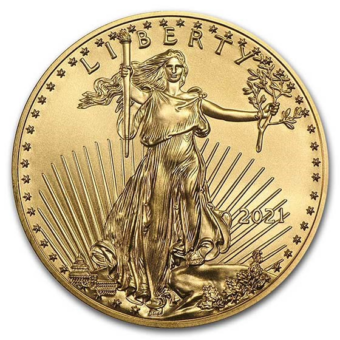


Monday - 8.04.25: Gold and silver prices rose Monday midday, buoyed by expectations of a Fed rate cut in September after weak jobs data Friday shifted sentiment toward dovish policy. December gold climbed $22.90 to $3,422.50, while September silver rose $0.406 to $37.325. The rally follows President Trump’s firing of the BLS chief after a dismal July jobs report and major downward revisions for prior months. While stocks rebounded sharply Monday, offering some resistance to safe-haven demand, rate-cut hopes continued to support gold and silver.
Tuesday - 8.05.25: Gold and silver rose Tuesday midday as bargain hunters bought the dip, aided by a stock market sell-off and a retreating U.S. dollar. December gold was last up $16.90 at $3,443.50, while September silver gained $0.497 to $37.815. The rally in safe-haven metals came as major Wall Street firms—including Morgan Stanley, Deutsche Bank, and Evercore—warned of an imminent stock market pullback following record highs, citing overvaluation and weakening economic data, with corrections ranging from 10% to 15% expected this quarter.
Wednesday - 8.06.25: Gold held steady and silver edged higher by midday Wednesday, as dip-buying offset early profit-taking and broader market risk appetite capped gains. December gold was last up $0.60 at $3,435.50, while September silver rose $0.182 to $38.01. Meanwhile, gold inventories at Shanghai Futures Exchange warehouses hit a record high, with over 36 tons registered for delivery amid strong arbitrage demand. Traders and banks are exploiting a price gap between spot and futures markets, reflecting China’s robust gold trading activity, according to the World Gold Council.
Thursday - 8.07.25: Gold and silver hit two-week highs Thursday as China’s central bank logged its ninth consecutive month of gold purchases, fueling bullish sentiment. December gold rose $20 to $3,453.50, while September silver gained $0.70 to $38.58. The People’s Bank of China added 60,000 troy ounces in July, pushing its total to 73.96 million ounces, contributing to this year’s 30% gold rally, though the pace of buying has slowed as prices climb.
Friday - 8.08.25: Gold prices are higher but off overnight peaks, with December gold last up $19.30 at $3,473.30 after touching a three-month high, while September silver rose $0.216 to $38.51, a more-than-two-week high. Gains follow reports that the U.S. will impose tariffs on imports of one-kilogram and 100-ounce gold bars, a move that could disrupt global bullion trade from major refining hubs such as Switzerland, London, and Hong Kong. The U.S. Customs and Border Protection agency confirmed the bars are not exempt from tariffs, contrary to initial industry assumptions, prompting uncertainty over whether the measures are already in effect, their scope, and potential legal challenges. Switzerland’s gold exports have become a key issue in trade talks with the U.S. after a surge in shipments earlier this year widened the U.S. trade deficit with the country.
Gold at $55,000? Why the Fed May Have Just Teed Up the Biggest Gold Reset in History
Two bombshell documents. One playbook. And a whole lot of “free money.”
The Big Picture
What sounded like a conspiracy theory is now central-bank playbook material. As of August 2025, the Federal Reserve has laid out—in its own official publications—how the U.S. government could legally revalue gold and instantly unlock trillions in capital. If executed, it wouldn’t just prop up America’s debt-ridden economy—it could reset the entire monetary system. And with U.S. gold still marked at $42.22/oz, a jump to $3,300 or even $55,000 isn’t as far-fetched as it once seemed.
What’s Happening
Two Fed documents—the May 2025 Financial Accounting Manual and the August 1 FEDS Note—outlined how past governments used gold revaluation to avoid debt default, stabilize currency, and offset losses. These aren’t just historical footnotes—they’re potential blueprints for U.S. policymakers today. With interest payments exploding and debt above $35 trillion, the Fed appears to be floating a solution: revalue gold and monetize it. No law, no vote, just executive action—just like Roosevelt in 1933.
By the Numbers
- Official gold reserve: 261.5 million ounces
- Official book value: $42.22/oz
- Market value (baseline): ~$3,300/oz
- Revaluation potential at $3,300: ~$850 billion
- Target price for partial M2 backing: $55,000/oz
- Potential unrealized gains: $14.4 trillion
- U.S. M2 money supply: ~$21 trillion
- Gold-backed cover ratio at $55K: ~66%
- Historic precedent: Germany, Lebanon, South Africa, Italy, Curacao
Why It Matters
Revaluing gold wouldn’t just plug holes—it could restructure the entire system. The Fed’s report frames revaluation as a credible option, not a last-ditch fantasy. Trump’s push for trillions in deficit spending could make the move politically convenient. Think tanks are already calling it the “Mar-a-Lago Accord,” referencing Nixon’s 1971 shock. In this playbook, gold becomes the reset button—and the government doesn’t have to sell an ounce to make it happen.
The Bottom Line
Gold at $55,000 isn’t clickbait—it’s a policy scenario with historical precedent and legal authority. For holders of physical gold, the upside could be enormous. For everyone else, the risk is missing the move before access tightens, taxes rise, or gold is absorbed into a centralized digital system. The roadmap exists. The legal mechanism is ready. All that’s missing is the crisis trigger.
120 Million Square Feet of U.S. Retail Space Closed in 2025
Permanent closures, shifting consumer habits, and the growing strain on physical retail.
The Big Picture
By mid-2025, the U.S. has seen 120 million square feet of retail space permanently closed—equivalent to more than 2,000 football fields. Unlike the temporary disruptions seen in 2020, this reflects a structural shift in the retail landscape. Factors include bankruptcy filings by major chains, ongoing changes in consumer spending patterns, and the continued growth of e-commerce. The closures are reshaping communities, commercial real estate markets, and local tax bases.
What’s Happening
According to industry tracking, 5,822 store closures were recorded by June 27, compared to 3,496 during the same period in 2024. Notable bankruptcies this year include At Home, Rite Aid, Claire’s, Big Lots, Joann Fabrics, Kohl’s, JCPenney, Macy’s, and Party City. Many closures stem from a combination of debt burdens, evolving retail models, and increased competition from online sellers. These developments are reducing physical retail’s footprint, impacting jobs, and altering the makeup of local economies.
By the Numbers
- Retail space closed by mid-2025: 120 million sq. ft.
- Store closures by June 27: 5,822 (vs. 3,496 in 2024)
- Effective tariff rate on imports: 18% (up from 2.3% in 2024)
- Continuing unemployment claims: highest since 2021
Why It Matters
The reduction in physical retail space affects more than storefront availability. Closures can lower property tax revenues, reducing funding for local services, and may put pressure on commercial real estate markets and regional banks holding related debt. Consumer debt levels and higher import costs are adding to financial pressures. While e-commerce continues to grow, it does not fully offset the economic and employment impacts of declining brick-and-mortar retail.
The Bottom Line
The first half of 2025 has brought significant, lasting reductions in U.S. retail space, driven by bankruptcies, consumer debt pressures, and shifting purchasing behaviors. The trend has implications for employment, commercial real estate stability, and municipal revenues. Stakeholders—from policymakers to local communities—will be watching how these closures affect both regional economies and national retail trends in the coming years.
Leading Economist Issues Stark Recession Warning for Struggling US Economy
Mark Zandi cites weak jobs data and rising inflation as Fed faces limited rescue options.
The Big Picture
The U.S. economy may be teetering on the edge of a recession, according to Moody’s Analytics Chief Economist Mark Zandi. A disappointing July jobs report, coupled with accelerating inflation, is tightening the Fed’s policy window. Consumer spending is stagnant, and key sectors like construction and manufacturing are slipping—raising alarm bells that economic contraction may already be underway. The Fed, stuck between inflation and weakening growth, has limited tools left to respond.
What’s Happening
Zandi issued a warning on social media, saying the U.S. economy is “on the precipice of recession.” The latest labor data showed only 73,000 jobs added in July—well short of forecasts—and major downward revisions for May and June. Meanwhile, the Fed’s preferred inflation gauge rose from 2.3% to 2.6% year-over-year in June, pushing it further from the 2% target. Zandi also noted an “economy-wide hiring freeze,” fewer hours worked, and stagnating labor force participation—especially among foreign-born workers.
By the Numbers
- July jobs added: 73,000
- Expected jobs: 110,000
- Revisions (May + June): –258,000 jobs
- PCE inflation (June): 2.6% YoY
- Fed’s inflation target: 2%
- Labor force participation: Declining
- Impact of Trump-era tariffs: Rising costs for households and businesses
Why It Matters
Zandi’s warning underscores how fragile the economic recovery may be. Despite a low headline unemployment rate, underlying conditions—like a shrinking labor pool and government job cuts—are deteriorating. With tariffs squeezing profits and immigration restrictions shrinking the workforce, policy-induced drags are compounding cyclical pressures. The Fed faces a dilemma: ease too soon and stoke inflation, or wait too long and risk deeper contraction. And with President Trump firing the BLS commissioner after the weak jobs data, political volatility is clouding the picture even further.
The Bottom Line
The warning signs are multiplying: weak job creation, downward revisions, falling hours, and rising inflation. Zandi sees a recession as more likely than not, especially as consumer activity stalls and key sectors pull back. While some may question the reliability of the data, he argues that big revisions are common when the economy is turning. The question now isn’t whether things are softening—but whether policymakers can respond fast enough before the slowdown becomes a slide.
The Politicization of Economic Data
A fired statistician, a rigged-numbers claim, and a $2.1 trillion market hanging in the balance.
The Big Picture
What once sounded like a fringe concern—that a sitting U.S. president could politicize federal economic data—is now unfolding in real time. President Trump’s abrupt firing of Bureau of Labor Statistics (BLS) Commissioner Erika McEntarfer has raised alarms across Wall Street and academia. The move follows a major downward revision to job growth data—news Trump publicly labeled “RIGGED.” Economists warn this could shake confidence in the very numbers that anchor Fed policy, financial markets, and inflation-linked contracts.
What’s Happening
After Friday’s jobs report showed significantly weaker hiring from May through July, Trump fired McEntarfer the same afternoon via social media. His team claimed the move aimed to improve “transparency and reliability,” citing frustrations over “massive revisions” to recent reports. But critics point to Trump’s social posts, where he framed the data as a partisan attack, as evidence of political motivation. McEntarfer, a civil servant with two decades of experience, was confirmed with broad bipartisan support just last year.
By the Numbers
- Jobs revision (May–July): Major downward adjustments
- BLS head confirmation (2024): 86 Senate votes, including VP JD Vance
- TIPS market size: $2.1 trillion
- Key inflation index impacted: Consumer Price Index (CPI)
- Fed warning date: July 17 – Christopher Waller flagged big revisions ahead
- New BLS nominee: Expected this week
Why It Matters
The fallout from this firing stretches beyond D.C. politics. The BLS produces data that underpins interest rate decisions, inflation expectations, and private contracts nationwide. Undermining trust in this data could disrupt financial markets and policy decisions at a critical economic inflection point. While Trump claims the numbers were manipulated to hurt him, the revisions actually aligned with key aspects of his own policy goals—declining federal employment and slower growth in immigrant-heavy sectors. Still, the appointment of a perceived partisan to lead the BLS could inflame tensions and inject doubt into every future data release.
The Bottom Line
Trump’s firing of the BLS chief has turned a technocratic agency into a political flashpoint. With control over CPI and employment data, the next BLS commissioner holds enormous sway over everything from Fed policy to TIPS payouts. As markets brace for more revisions and rising distrust, one thing is clear: economic data is no longer just about economics—it’s about power, perception, and political control.
Next Week’s Key Events
Economic Calendar: August 11 – August 15, 2025
Monday, August 11
None scheduled
Tuesday, August 12
8:30 AM ET – Consumer Price Index (CPI) – July
Measures inflation at the consumer level; a key gauge for Fed policy and purchasing power.
Wednesday, August 13
12:30 PM ET – Speech: Atlanta Fed President Raphael Bostic
Can provide insights into Fed policy direction and economic views.
Thursday, August 14
8:30 AM ET – Initial Jobless Claims – Week Ending August 9
A weekly measure of unemployment trends; closely monitored for labor market shifts.
8:30 AM ET – Producer Price Index (PPI) – July
Measures inflation at the wholesale level; may signal future consumer price changes.
2:00 PM ET – Speech: Richmond Fed President Thomas Barkin
Remarks may reveal economic outlook and monetary policy stance.
Friday, August 15
8:30 AM ET – U.S. Retail Sales – July
Key indicator of consumer spending and economic momentum.
8:30 AM ET – Empire State Manufacturing Survey – August
Measures manufacturing activity in New York; provides early insight into the sector’s health.
9:15 AM ET – Industrial Production & Capacity Utilization – July
Tracks output from factories, mines, and utilities; an important measure of economic strength.
10:00 AM ET – Consumer Sentiment (Preliminary) – August
Gauges consumer confidence, a leading indicator of economic activity.
IMPACT ON PRECIOUS METALS MARKETS
Consumer Price Index (Tuesday, August 12)
- Higher-than-expected CPI may strengthen the U.S. dollar and trigger rate hike fears, pressuring gold and silver.
- Lower CPI could support metals on hopes of looser monetary policy.
Atlanta Fed President Bostic Speech (Wednesday, August 13)
- Hawkish tone may hurt precious metals by implying tighter Fed policy.
- Dovish comments could lift gold and silver on rate cut expectations.
Initial Jobless Claims (Thursday, August 14)
- Rising claims signal labor market weakness, potentially boosting safe-haven demand for gold.
- Falling claims could weigh on metals by reinforcing economic resilience.
Producer Price Index (Thursday, August 14)
- Rising PPI may stoke inflation concerns, depending on expectations—potentially bullish for gold.
- Cooling PPI could temper inflation fears, pressuring metals.
Richmond Fed President Barkin Speech (Thursday, August 14)
- Any policy signals could sway expectations and impact metal prices accordingly.
U.S. Retail Sales (Friday, August 15)
- Strong sales may reinforce growth and risk appetite, dragging on safe-haven demand.
- Weak sales could fuel slowdown fears, lifting gold and silver.
Empire State Manufacturing (Friday, August 15)
- Positive surprise may limit metals upside; negative reading supports safe-haven flows.
Industrial Production & Capacity Utilization (Friday, August 15)
- Higher output signals strength, usually bearish for metals.
- Decline or stagnation may lift safe-haven assets.
Consumer Sentiment (Friday, August 15)
- High sentiment may hurt gold/silver by boosting confidence in the economy.
- Low sentiment often helps safe-haven metals on fear-driven buying.