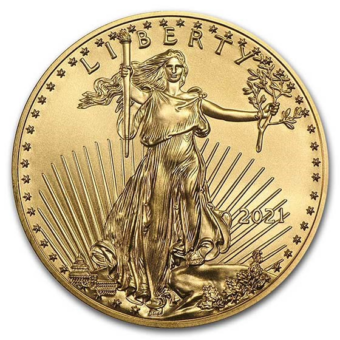


Gold markets experienced a volatile week as geopolitical tensions, shifting monetary policy expectations, and economic data moved investors between risk and safety. Gold rises after weak jobs report data showed the U.S. labor market unexpectedly lost jobs in February, strengthening expectations that the Federal Reserve may be forced to cut interest rates later this year. At the same time, escalating conflict in the Middle East, supply chain disruptions, and policy battles over crypto and banking added new layers of uncertainty to global markets.
Monday (3.02.26): Gold edged higher but pulled back from overnight highs as a surging U.S. dollar — now at a five-week high — and rising yields put pressure on precious metals. April gold was still up about $65 to roughly $5,311, but nearly $100 below its overnight peak, while March silver tumbled about $4.88 to around $87.65 as traders took profits and liquidated long positions. The bigger backdrop: war-driven oil spikes are reigniting inflation fears, pushing traders to scale back expectations for rate cuts across the U.S., U.K., and Europe — a shift that’s boosting the dollar and bond yields while making life tougher for metals.
Tuesday (3.03.26): Gold and silver tumbled Tuesday as the U.S. dollar ripped to a nine-month high and Treasury yields climbed, pulling investors toward cash and away from metals despite rising geopolitical tension. April gold fell about $191 to roughly $5,121, while March silver dropped $5.70 to around $82.60. The selloff came even as worries grow that the Middle East war could drag on longer than expected — with Iran reportedly deploying cheap drones to exhaust U.S. and Israeli missile defenses and threatening shipping through the Strait of Hormuz, a key artery for global energy supplies.
Wednesday (3.04.26): Gold and silver climbed Wednesday as investors rushed into safe havens amid escalating war in the Middle East. April gold rose about $37 to around $5,160, while March silver gained roughly $0.61 to about $83.49, though both metals cooled off their highs as short-term traders locked in profits. The backdrop: geopolitical shocks tend to drive defensive buying in metals, even as traders flip positions during intraday swings.
Thursday (3.05.26): Gold and silver slipped Thursday as a stronger U.S. dollar and rising Treasury yields took the shine off the metals, wiping out earlier safe-haven gains tied to the Iran war. April gold fell about $61 to roughly $5,073, while March silver dropped about $1.60 to around $81 as investors rotated toward dollar assets. Meanwhile, a geopolitical curveball hit the market: the Trump administration finalized a deal allowing Venezuela’s state miner Minerven to sell up to 1,000 kilograms of gold to Trafigura, which will funnel the metal to U.S. refineries — highlighting how politics, supply chains, and the gold trade are increasingly intertwined.
Friday (3.06.26): Gold and silver are ticking higher Friday morning as traders brace for the February U.S. jobs report—the biggest economic data drop of the month. April gold rose about $18 to roughly $5,097 while May silver climbed slightly, with safe-haven demand getting a boost from the escalating Iran conflict. The war is also disrupting global trade: Dubai gold is selling at discounts of up to $30 an ounce due to shipping chaos, the Strait of Hormuz is effectively closed, Brent crude has pushed above $86, and U.S. gasoline just jumped to its highest level in about 2½ years as energy supplies tighten. Meanwhile, economists expect the U.S. to add about 59,000 jobs in February—much slower than January’s 130,000—while unemployment holds near 4.3% and wage growth stays steady.
—
Gold jumps as weak jobs report boosts rate-cut bets
The big picture
Gold prices moved higher after the U.S. labor market unexpectedly weakened in February, reinforcing expectations that the Federal Reserve may have to cut interest rates more aggressively later this year.
Driving the news
U.S. nonfarm payrolls fell by 92,000 jobs in February, sharply missing forecasts that called for about 58,000 new jobs. The unemployment rate also edged up to 4.4% from 4.3%. The weaker-than-expected data pushed investors toward gold, which tends to benefit when economic weakness increases the likelihood of lower interest rates.
By the numbers
• –92,000 — decline in U.S. nonfarm payrolls in February
• 58,000 — jobs economists expected the economy to add
• 4.4% — February unemployment rate, up from 4.3% in January
• $5,128 — approximate price of spot gold after the report, up nearly 1% on the day
Why it matters
Gold often benefits when economic data weakens because softer growth can lead to lower interest rates. Rate cuts reduce the opportunity cost of holding non-yielding assets like gold and tend to weaken the U.S. dollar.
What to watch
• Federal Reserve interest-rate expectations
• Upcoming U.S. labor market data
• Treasury yields and the U.S. dollar
• Safe-haven demand amid global geopolitical risks
The bottom line
A surprisingly weak jobs report has revived bullish momentum in gold, as traders increasingly bet that economic softness could push the Federal Reserve toward deeper rate cuts later this year.
—
Iran conflict threatens new strain on fragile global supply chains
The big picture
The conflict involving Iran is introducing new stress into already fragile global supply chains, raising the risk that localized disruptions — particularly in shipping and energy flows — could ripple across global trade and push prices higher.
Driving the news
Iran has threatened commercial shipping through the Strait of Hormuz, one of the world’s most critical energy chokepoints, while drone strikes have disrupted liquefied natural gas production in Qatar. At the same time, attacks by Houthi rebels have already forced container traffic away from the Suez Canal, forcing ships to reroute around Africa and extending delivery times.
By the numbers
• ~20% — share of global oil supply that typically moves through the Strait of Hormuz
• Weeks — estimated time needed to restart disrupted LNG production in Qatar
• Thousands of miles — additional shipping distance when vessels reroute around Africa instead of using the Suez Canal
• Years — length of time global supply chains have already faced strain from pandemic disruptions and trade barriers
Why it matters
Even if the direct economic hit to the U.S. is smaller than for Europe or Asia, global supply chains are deeply interconnected. Disruptions to energy flows and shipping routes abroad can quickly translate into higher fuel costs, rising shipping prices, and increased costs for imported goods.
What to watch
• Shipping traffic through the Strait of Hormuz
• LNG production recovery in Qatar
• Container shipping routes around the Suez Canal
• Global oil and natural gas prices
• Shipping costs and freight rates
The bottom line
Global supply chains have become less resilient after years of shocks, and even small disruptions can cascade across the world economy. If conflict in the Middle East persists, energy shocks and shipping disruptions could increasingly feed into higher costs for businesses and consumers worldwide.
—
Gold’s long-term rise remains intact despite dollar safe-haven demand
The big picture
Even as the U.S. dollar attracts safe-haven flows during periods of geopolitical and economic stress, economist Thorsten Polleit says the long-term bull market in gold and silver remains intact, driven by structural forces such as rising global debt, inflation risks, and ongoing monetary intervention.
Driving the news
Recent geopolitical tensions and broader financial uncertainty have pushed investors toward highly liquid assets like the U.S. dollar and Treasuries. Polleit argues this “liquidity trade” can temporarily pressure precious metals prices, but it reflects short-term crisis behavior rather than a weakening long-term investment case for gold and silver.
By the numbers
• $5,000 — approximate level where gold has continued to find price support
• $8,000 — Polleit’s potential gold price target within the next five years
• 2–3 years — investment horizon Polleit suggests for buying metals at current levels
• $354 trillion — estimated global public and private debt burden
• $38 trillion — U.S. sovereign debt contributing to long-term inflation concerns
Why it matters
Polleit argues that the global economy has entered an inflationary regime marked by expanding government debt, rising energy costs, and persistent geopolitical tensions. These forces gradually erode the purchasing power of fiat currencies, increasing long-term demand for hard assets like gold and silver.
What to watch
• Central bank monetary stimulus and liquidity interventions
• Global government debt growth and deficit spending
• Geopolitical conflicts affecting economic stability
• Investor shifts between cash and hard-asset safe havens
• Long-term institutional allocation to precious metals
The bottom line
Short-term market stress may push investors toward cash and dollar assets, temporarily weighing on precious metals prices. But according to Polleit, the structural drivers of the metals bull market—debt expansion, monetary easing, and declining fiat purchasing power—remain firmly in place, suggesting gold and silver could continue trending higher over the coming years.
—--
Trump backs crypto firms in escalating battle with banks over stablecoin yields
The big picture
A growing clash between crypto companies and major U.S. banks over whether stablecoins can offer interest-like returns is becoming a high-stakes regulatory fight that could reshape how Americans store and earn money on digital dollars.
Driving the news
President Donald Trump has publicly sided with the crypto industry, pressuring banks to compromise on stablecoin yield rules tied to legislation including the Clarity Act and the earlier Genius Act. The dispute centers on whether crypto firms such as Coinbase should be allowed to offer yield-like returns on stablecoin balances.
By the numbers
• $6.6 trillion — estimated potential bank deposit outflows if stablecoins offer yield, according to a Treasury study
• 15% — intraday surge in Coinbase shares following Trump’s supportive comments
• <$1% — decline in shares of major banks including JPMorgan and Bank of America after the announcement
• Hundreds of millions — estimated wealth tied to Trump family interests in crypto-related ventures
• Trillions — potential deposits banks warn could migrate from traditional accounts to yield-bearing stablecoins
Why it matters
Banks argue that allowing crypto firms to offer yield on stablecoins would effectively turn them into lightly regulated banks, potentially destabilizing the financial system by draining deposits that fund lending. Crypto firms counter that yield-bearing stablecoins are a consumer-friendly innovation that could expand financial access and increase demand for U.S. Treasurys.
What to watch
• Congressional progress on the Clarity Act and related stablecoin legislation
• Negotiations between banks and crypto firms over yield rules
• Regulatory frameworks governing stablecoin reserves and oversight
• Institutional adoption of stablecoins as payment or savings vehicles
• Political scrutiny over conflicts of interest tied to crypto investments
The bottom line
The fight over stablecoin yields has evolved into a trillion-dollar battle between banks and crypto firms over who controls the future of digital money. With Trump now backing the crypto industry, the debate could accelerate regulatory decisions that reshape both banking deposits and the rapidly expanding stablecoin market.
—-
NEXT WEEK’S KEY EVENTS
Economic Calendar: March 9 – March 13, 2026 (ET)
MONDAY, March 9
• None scheduled
TUESDAY, March 10
• 10:00 am — Existing Home Sales (Feb.)
WEDNESDAY, March 11
• 8:30 am — Consumer Price Index (Feb.)
THURSDAY, March 12
• 8:30 am — Initial Jobless Claims (March 7)
FRIDAY, March 13
• 8:30 am — GDP (First Revision) (Q4)
• 8:30 am — PCE Index (Jan.)
• 10:00 am — JOLTS (Jan.)
• 10:00 am — Consumer Sentiment (Prelim) (March)
NA — Not available
IMPACT ON PRECIOUS METALS MARKETS
Existing Home Sales (Tue, 10:00 am ET)
• Stronger-than-expected sales → signals housing market resilience and consumer strength; mildly bearish for gold/silver.
• Weaker sales → suggests cooling housing demand and economic softness; mildly bullish for metals.
Housing activity reflects consumer health and interest-rate sensitivity; moderate relevance.
Consumer Price Index (Wed, 8:30 am ET)
• Higher-than-expected inflation → reinforces persistent inflation narrative and potential for tighter monetary policy; bearish for gold/silver.
• Lower inflation reading → supports easing inflation expectations and potential policy flexibility; bullish for metals.
CPI is one of the most closely watched inflation gauges; high impact on interest-rate expectations and metals markets.
Initial Jobless Claims (Thu, 8:30 am ET)
• Rising claims → signals potential labor market weakening; bullish for metals.
• Persistently low claims → suggests labor resilience and sustained economic strength; mildly bearish for gold/silver.
High-frequency labor data closely monitored by markets; moderate impact.
GDP (First Revision) (Fri, 8:30 am ET)
• Upward revision to growth → reinforces economic strength narrative; bearish for gold/silver.
• Downward revision → raises concerns about slowing economic momentum; bullish for metals.
GDP revisions can alter perceptions of economic trajectory; moderate impact depending on magnitude of revision.
PCE Index (Fri, 8:30 am ET)
• Higher inflation reading → reinforces sticky inflation narrative and sustained restrictive policy expectations; bearish for metals.
• Lower inflation reading → supports easing inflation expectations and possible policy pivot; bullish for gold/silver.
The PCE Index is the Federal Reserve’s preferred inflation measure; high relevance for rate expectations.
JOLTS (Fri, 10:00 am ET)
• Elevated job openings → indicates strong labor demand; bearish for metals.
• Declining openings → suggests cooling labor market conditions; bullish for gold/silver.
JOLTS provides insight into labor demand dynamics; moderate impact.
Consumer Sentiment (Prelim) (Fri, 10:00 am ET)
• Improving sentiment → signals consumer confidence and economic resilience; mildly bearish for metals.
• Deteriorating sentiment → suggests economic uncertainty and potential slowdown; mildly bullish for gold/silver.
Consumer sentiment can influence spending expectations and broader growth outlook; moderate relevance.