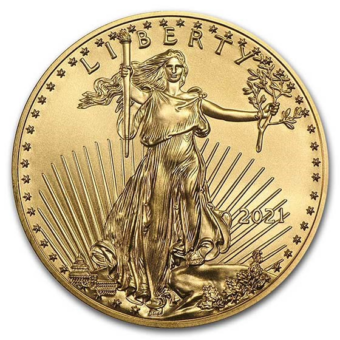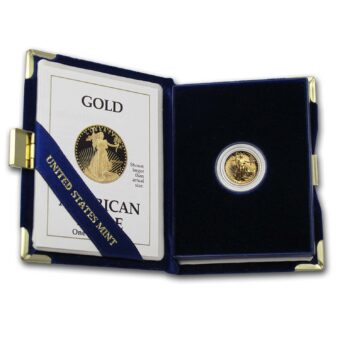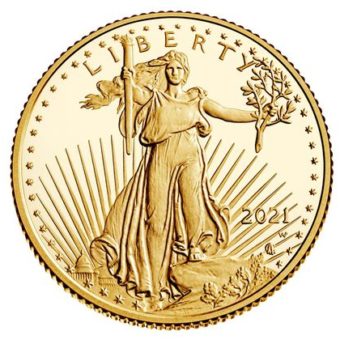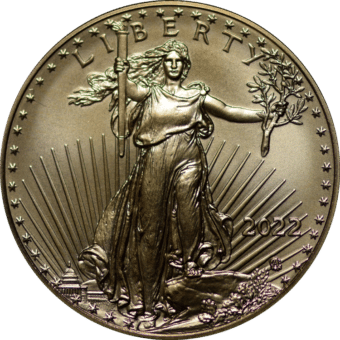


The Federal Reserve’s latest rate cuts are rippling through global markets, sending the U.S. dollar lower and igniting powerful breakouts in gold and silver prices. As Fed cuts dollar slips, investors are piling into precious metals amid shifting policy signals, rising geopolitical tension, and renewed central-bank buying—setting the stage for heightened volatility and opportunity across hard-asset markets.
Monday (12.08.25): Fed hawkish fears weigh on metals
Gold and silver slipped at midday as traders grew uneasy that the Fed may strike a hawkish tone even if it delivers a widely expected quarter-point cut this week. The pressure was amplified after U.S. producer inflation reports for October and November were delayed until January, adding fresh uncertainty around the inflation outlook. Gold dipped to about $4,215, while silver eased to roughly $58.28. Still, the longer-term bid remains intact—China’s central bank quietly added gold for a 13th straight month, and global central-bank buying picked up again in October, underscoring why dips in metals keep finding buyers.
Tuesday (12.09.25): Silver steals the show as Fed jitters simmer
Gold and silver stayed in rocket mode by midday, with silver smashing another record—briefly touching $61.055—while gold climbed to around $4,244 as traders leaned into fully bullish technicals. The backdrop: the Fed kicked off its policy meeting, with markets still pricing a 90% chance of a quarter-point cut, even as worries grow that Powell could sound more hawkish on sticky inflation. Throw in delayed producer-inflation data until January, and traders stayed parked in precious metals as uncertainty ruled the tape.
Wednesday (12.10.25): Gold is treading water and silver is cooling off from record highs after the Fed delivered a widely expected quarter-point rate cut. Gold hovered near $4,235, while silver held modest gains around $61 after pulling back from earlier peaks. The Fed trimmed rates to a 3.5%–3.75% range but signaled inflation remains sticky and that further cuts may not come quickly. Markets are now laser-focused on Chair Jerome Powell’s press conference for clues on how long this pause—and the next move—might last.
Thursday (12.11.25): Gold and silver surged Thursday as a dovish Fed and a plunging U.S. dollar lit a fire under precious metals. Gold jumped to around $4,290, while silver rocketed to yet another all-time high above $64, driven by strong technical buying and spillover momentum from silver’s explosive move. Markets cheered the Fed’s third straight quarter-point rate cut and, more importantly, its surprise move to start buying $40 billion a month in Treasury bills—an unmistakably easy-money signal. The result: stocks rallied, Treasury yields dipped, the dollar slid to a six-week low, and gold and silver took full advantage.
Friday (12.12.25): Gold and silver are ripping higher as a dovish Fed tone and a sliding dollar fuel hard-asset buying: gold jumped to a seven-week high near $4,369, while silver hit a fresh record just under $65. The U.S. dollar index is headed for its third straight weekly drop after the Fed cut rates and signaled no urgency to hike again, pushing investors toward metals. Stocks are mixed—global markets have rallied on expectations of a year-end “Santa Claus” bounce, though U.S. futures are softer after recent record highs. Meanwhile, geopolitics remain tense as Russia-Ukraine peace talks drag on, with President Trump signaling U.S. support for Ukraine security while publicly pressing both sides to move from talk to action.
—-------
Fed Delivers Third Rate Cut—but Signals a Tough Road Ahead
The big picture
The Federal Reserve cut interest rates for the third straight meeting, lowering its benchmark rate to a 3.5%–3.75% range as it tries to cushion a weakening labor market—despite inflation still running above its 2% target.
Driving the news
The Fed trimmed rates by 25 basis points in a 9–3 vote, revealing growing internal disagreement. Policymakers are juggling slowing job gains, rising uncertainty tied to trade and immigration policy, and inflation pressures driven largely by tariffs. Chair Jerome Powell stressed there is “no risk-free path” as the Fed balances employment risks against stubborn price pressures.
By the numbers
- 25 bps: Size of the latest rate cut
- 3.5%–3.75%: New federal funds target range
- 3: Consecutive Fed meetings with rate cuts
- 3 dissenters: Two favored no cut; one pushed for a larger 50-bp cut
- 75.6%: Market-implied odds the Fed holds rates steady in January (CME FedWatch)
Why it matters
The Fed is signaling it may be nearing the end of its “insurance cuts.” With rates now close to neutral, future easing will require clearer evidence of labor market deterioration. Inflation remains elevated, but officials see tariff-driven price increases as potentially temporary—if expectations stay anchored.
What to watch
Watch incoming labor-market data and inflation readings ahead of the January meeting. Powell emphasized that post-shutdown data distortions could cloud the picture, making December numbers especially critical for determining whether the Fed pauses or resumes cutting.
The bottom line
The Fed cut again—but with hesitation. Policymakers are now in wait-and-see mode, navigating a narrow path between slowing jobs and sticky inflation, with markets increasingly betting that this rate-cutting streak may soon pause.
Silver Breaks $60 — But Volatility Looms, Standard Chartered Warns
The big picture
Silver prices have surged to record highs above $60 an ounce, dramatically outperforming gold. But despite strong fundamentals, analysts warn that near-term volatility and a possible correction could interrupt the rally.
Driving the news
Silver’s explosive move has been fueled by robust industrial demand, renewed investor interest, and lingering supply-chain dislocations. Standard Chartered’s Suki Cooper says some of the extreme tightening seen earlier this fall has eased, with Indian demand cooling after festival buying and London vault stocks rebuilding—shifting market dynamics and setting the stage for near-term swings.
By the numbers
• $60.72: Latest spot silver price, up over 4% on the day.
• 100%+: Silver’s year-to-date gain.
• 69: Gold/silver ratio, the lowest since July 2021.
• 1,447 tonnes: Increase in LBMA silver stocks year to date.
• 4,311 tonnes: Increase in Comex silver inventory year to date.
• 78%: Share of LBMA vault silver tied up in silver-backed ETPs.
Why it matters
Silver’s rally is increasingly driven by investment flows rather than outright scarcity. While that keeps the long-term trend intact, it also makes prices more sensitive to shifts in sentiment, positioning, and liquidity—raising the risk of sharp pullbacks even within a bull market.
What to watch
Watch ETP inflows closely, especially as available London inventories rise faster than demand. Attention is also turning to the U.S. S232 critical minerals report, which could heighten regional tightness and amplify short-term price volatility.
The bottom line
Silver’s trend remains bullish—but the market is stretched. With inventories rebuilding and the gold/silver ratio nearing oversold territory, a near-term correction wouldn’t break the rally, but it could make the ride a lot bumpier before the next leg higher.
—
BRICS’ Gold Buying Boom Deepens the Global Gold Divide
The big picture
BRICS nations have more than doubled their gold holdings since 2020—up roughly 102%—while Western countries have largely stood still, widening a strategic divide in how reserves are managed and accelerating de-dollarization.
Driving the news
BRICS central banks have been aggressively buying physical gold, lifting gold’s share of their reserves from about 6.4% to 12.9%. Western gold shares also rose, but mostly because prices surged—not because governments were actively buying. Russia, China, India, Brazil, and South Africa now anchor a coordinated push to reduce reliance on the U.S. dollar.
By the numbers
- 102%: Increase in BRICS gold holdings since 2020
- 12%: Approximate increase in Western gold holdings over the same period
- 2,330 tonnes: Russia’s gold reserves (~40.6% of total reserves)
- 2,304 tonnes: China’s gold reserves (~7.7% of total reserves)
- 166 tonnes: Central bank gold buying in Q2 2025 alone
- 41%: Above historical quarterly average (World Gold Council)
Why it matters
This isn’t just about gold prices—it’s about monetary power. By stacking physical gold, BRICS countries are building credibility, resilience, and leverage outside the dollar-based system. Western strategies, by contrast, rely on valuation gains rather than accumulation, leaving real metal exposure largely unchanged.
What to watch
Watch whether elevated central-bank buying—now running at over 1,000 tonnes annually—continues, and how closely it aligns with BRICS efforts to expand local-currency trade, non-SWIFT payment systems, and alternative financial infrastructure.
The bottom line
The BRICS gold surge signals a structural shift, not a short-term trade. As emerging economies prioritize tangible reserves over dollar exposure, gold’s role as monetary insurance is strengthening—and the gap between BRICS and the West is becoming a defining feature of a more multipolar financial system.
—
Americans Lead Developed Nations in Food Security Fears
The big picture
Americans are among the most worried in the developed world about food and water security, with concern remaining elevated into 2025—long after anxiety peaks faded in many European countries.
Driving the news
Statista Consumer Insights data shows that while food-security fears in Europe spiked during the pandemic and the early stages of the Russia–Ukraine war, U.S. concern has stayed persistently high. Rising grocery prices, global trade disruptions, climate-related risks, and policy shifts affecting government benefits are keeping food security top of mind for Americans.
By the numbers
• 23%: Share of respondents citing food and water security as a major issue in the U.K. and Italy.
• 20%: Portion of French respondents identifying food and water security as a top national challenge.
• 16%: Share of Spanish respondents expressing concern.
• 13%: Share of German respondents expressing concern.
• U.S.: Among the highest levels of concern across developed nations in 2025.
Why it matters
Food security was long assumed to be a settled issue in wealthy countries. Persistent concern in the U.S. suggests that inflation, supply-chain fragility, and policy uncertainty are eroding that assumption—making households more sensitive to price shocks and access risks.
What to watch
Watch grocery inflation trends, climate-related supply disruptions, and changes to public assistance programs. If households continue to feel exposed, food security could become a lasting political and economic pressure point even in advanced economies.
The bottom line
Food insecurity anxiety is no longer confined to poorer nations. In the U.S., rising costs and global instability have turned a once-distant concern into a persistent domestic worry—and it may not fade anytime soon.
—
NEXT WEEK’S KEY EVENTS
Economic Calendar: December 15 – 19, 2025 (ET)
MONDAY, Dec. 15
• 8:30 am — Empire State Manufacturing Survey (Dec.)
TUESDAY, Dec. 16
• 8:30 am — U.S. Jobs Report (Employment Situation Summary) (Nov.)
• 8:30 am — U.S. Retail Sales (Oct.)
• 9:45 am — S&P Flash U.S. Services PMI (Dec.)
• 9:45 am — S&P Flash U.S. Manufacturing PMI (Dec.)
WEDNESDAY, Dec. 17
• None scheduled
THURSDAY, Dec. 18
• 8:30 am — Initial Jobless Claims (Dec. 13)
• 8:30 am — *Consumer Price Index (Nov.)
• 8:30 am — Philadelphia Fed Manufacturing Survey (Dec.)
FRIDAY, Dec. 19
• 10:00 am — Existing Home Sales (Nov.)
• 10:00 am — Consumer Sentiment (final) (Dec.)
Limited October and full November results to be combined in one report.
IMPACT ON PRECIOUS METALS MARKETS
Empire State Manufacturing Survey (Mon, 8:30 am ET)
• Strong reading → manufacturing momentum, supports growth outlook and yields; bearish for metals.
• Weak or contracting reading → growth concerns, supports rate-cut expectations; bullish for gold/silver.
Subject to delay.
U.S. Jobs Report (Tue, 8:30 am ET)
• Strong job gains/wage growth → labor-market strength, reinforces higher-for-longer rates; bearish for metals.
• Weak jobs or slowing wages → labor cooling, supports easing expectations; bullish for gold/silver.
Subject to delay.
U.S. Retail Sales (Tue, 8:30 am ET)
• Strong consumer spending → resilient demand, inflation persistence; bearish for metals.
• Weak spending → slowing demand, easing inflation pressure; bullish for gold/silver.
Subject to delay.
S&P Flash U.S. Services & Manufacturing PMI (Tue, 9:45 am ET)
• Expansion readings → economic resilience, supports yields and dollar; bearish for metals.
• Contraction signals → growth slowdown, dovish policy expectations; bullish for gold/silver.
Subject to delay.
Initial Jobless Claims (Thu, 8:30 am ET)
• Rising claims → labor-market softening, easing rate pressure; bullish for gold/silver.
• Falling claims → labor resilience, reinforces higher-for-longer bias; bearish for metals.
Subject to delay.
Consumer Price Index (Thu, 8:30 am ET)
• Sticky or higher inflation → restricts easing, lifts yields/dollar; bearish for metals.
• Cooling inflation → increases confidence in rate cuts; bullish for gold/silver.
Subject to delay.
Philadelphia Fed Manufacturing Survey (Thu, 8:30 am ET)
• Strong reading → regional factory strength, reinforces growth outlook; bearish for metals.
• Weak reading → manufacturing stress, supports safe-haven demand; bullish for gold/silver.
Subject to delay.
Existing Home Sales (Fri, 10:00 am ET)
• Strong sales → housing resilience, demand stability; bearish for metals.
• Weak sales → higher-rate drag evident, growth concerns; bullish for gold/silver.
Subject to delay.
Consumer Sentiment (final) (Fri, 10:00 am ET)
• Improving confidence → stronger demand outlook; bearish for metals.
• Deteriorating sentiment → risk aversion, supports defensive assets; bullish for gold/silver.
Subject to delay.