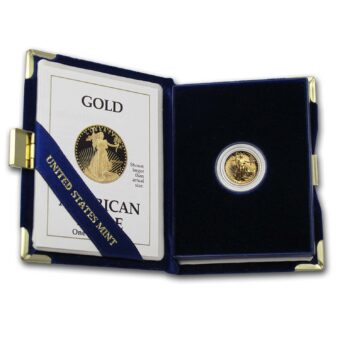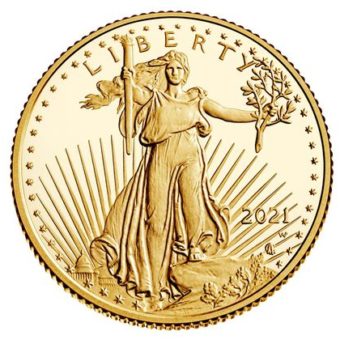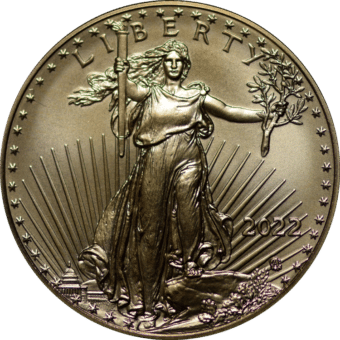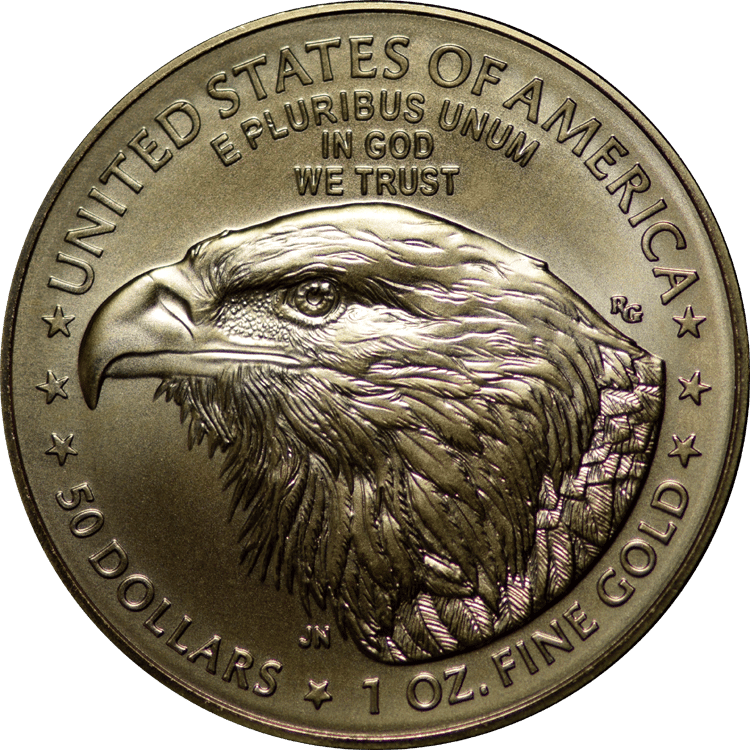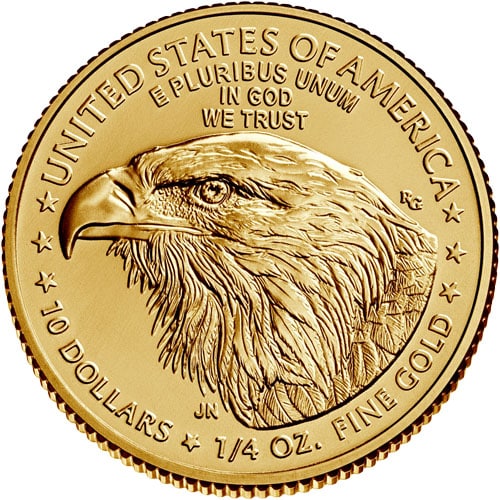


Monday - 6.23.25: Gold and silver prices rose moderately Monday as mild safe-haven demand emerged following U.S. military strikes on Iran’s nuclear sites, though markets remained surprisingly calm, with gold up $21.90 at $3,407.70 and silver up $0.213 at $36.235. While some expect limited U.S. involvement and doubt Iran’s capacity to retaliate effectively, uncertainty persists over the mission’s success and Iran’s potential response, leaving investors cautiously optimistic despite the fluid situation.
Tuesday - 6.24.25: Gold and silver prices plunged to three-week lows Tuesday as Iran and Israel agreed to a ceasefire, easing geopolitical tensions and boosting market risk appetite. August gold fell $69.10 to $3,326.20, and July silver dropped $0.537 to $35.645. President Trump praised the de-escalation, calling it the end of the “12-day war,” while U.S. stocks surged. Fed Chair Jerome Powell addressed Congress but offered no surprises on monetary policy.
Wednesday - 6.25.25: Gold and silver prices edged higher Wednesday as geopolitical tensions eased slightly despite ongoing concerns over a fragile Israel-Iran ceasefire and reports that recent U.S. bombings only temporarily delayed Iran’s nuclear program. August gold rose $8.20 to $3,342.10, while July silver climbed $0.348 to $36.08. Meanwhile, U.S. consumer confidence dropped sharply in June, with the Conference Board’s index falling to 93.0—below expectations and signaling continued public anxiety over tariffs, inflation, and potential recession.
Thursday - 6.26.25: Gold prices are steady and silver is sharply higher in midday U.S. trading Thursday, with a weaker U.S. dollar supporting gold while easing Middle East tensions limit buying interest. August gold holds at $3,343.00, while July silver is up $0.449 at $36.545. The gold market is consolidating as traders await new catalysts, while U.S. stocks rise on improved risk sentiment following a tentative Israel-Iran ceasefire.
Friday - 6.27.25: Gold and silver prices fell sharply Friday, with gold hitting a four-week low as easing Middle East tensions reduced safe-haven demand; August gold dropped $61.70 to $3,286.30 and July silver lost $0.796 to $35.795. Meanwhile, global stocks were steady to higher, U.S. indexes pointed to strong openings after record highs, and markets cheered news that the U.S. and China signed a new trade deal, boosting optimism for supply chains and global trade despite vague implementation details.
Gold Holds Below $3,300 as Inflation Climbs and Consumption Weakens
Higher inflation fails to lift gold as demand concerns weigh on sentiment.
The Big Picture
Gold prices remain pinned near session lows, trading well below $3,300 an ounce despite hotter-than-expected inflation data. The Federal Reserve’s preferred gauge of inflation, the core PCE price index, rose 2.7% year-over-year in May. But instead of bolstering gold’s appeal, the combination of elevated prices and weaker consumer spending fueled worries about stagflation—and failed to spark meaningful buying.
What’s Happening
The Commerce Department reported core PCE inflation rose 0.2% in May, above forecasts for a 0.1% increase. Annual inflation also came in higher than expected. However, personal income fell 0.4% and spending declined 0.1%, highlighting a slowdown in consumption. Spot gold traded at $3,272 an ounce, down 1.64% on the day, as the metal struggled to regain momentum.
Some analysts argue the stagflation risk could eventually support gold, but for now, diminishing safe-haven flows and lackluster demand are keeping prices under pressure.
By the Numbers
- Spot gold: $3,272 an ounce
• Daily change: -1.64%
• Annual core PCE inflation: 2.7% (vs. 2.6% expected)
• Personal income: -0.4% (vs. +0.3% expected)
• Personal spending: -0.1% (vs. +0.1% expected)
Why It Matters
The report underscores an uneasy backdrop for markets: persistently high inflation alongside slowing growth. Typically, such a combination can be positive for gold, as investors look for stores of value. But so far, geopolitical tensions and stagflation fears haven’t been enough to reverse bearish sentiment. Some traders remain cautious, waiting for clearer signs the Federal Reserve will pivot dovish before returning to gold in force.
The Bottom Line
Gold is struggling to rally even as inflation exceeds forecasts. Until economic data shift more decisively—or monetary policy expectations change—the metal may stay rangebound below $3,300, caught between competing crosswinds of stagflation risk and fading safe-haven demand.
Why DOGE Fell Short: Musk’s Reform Effort Collides with Bureaucratic Reality
Efforts to reduce federal spending run up against the complex machinery of government.
The Big Picture
Elon Musk’s Department of Government Efficiency (DOGE) launched with a bold goal: cut $2 trillion in federal waste. But as resistance mounted, Musk acknowledged that meaningful reform may be out of reach. Despite some early wins, DOGE revealed how difficult it is to apply private-sector strategies to public institutions.
What’s Happening
DOGE targeted spending in areas like foreign aid and education, but many proposals were rolled back in later legislation. In a post on X, Musk wrote:
“Only radical improvements in productivity can save our country.”
The initiative mirrored earlier reform efforts that underestimated how differently government operates. As economist Ludwig von Mises once noted, bureaucracies follow rules—not market signals.
By the Numbers
- DOGE’s target: $2 trillion in cuts
• Verified waste found: Minimal relative to total spending
• Agencies targeted: USAID, Department of Education, others
• Outcome: Cuts reversed in reconciliation bill
• Bureaucratic pushback: Strong
Why It Matters
DOGE underscored a key challenge: government lacks the profit-loss feedback loop that drives efficiency in business. A former entrepreneur in a public role becomes a bureaucrat, constrained by statutes, procedures, and politics.
Congress adds another layer. Lawmakers often support district-specific spending, while staffers and civil servants shape long-term policy. Some argue that term limits could worsen the issue by shortening time horizons, not solving them.
The Bottom Line
DOGE didn’t fail from lack of effort—it collided with the realities of a sprawling and rule-bound system. For reform to succeed, it may take more than visionary leadership. It may require rethinking how government can change in the first place.
Gold Holds Steady as Fed Becomes the Focus
Safe-haven demand fades, but gold stays strong as investors eye policy direction.
The Big Picture
Gold prices remained resilient Wednesday, even as geopolitical tensions eased. With the Israel-Iran ceasefire holding, attention shifted from safe-haven buying to the Federal Reserve’s monetary policy path. Despite a reduced risk premium, gold posted gains—signaling that investors are now looking at broader economic indicators rather than crisis events to shape their strategies.
What’s Happening
August gold futures closed at $2,347.00, up $8.60 on the day. The U.S. Dollar Index fell 0.23% to 97.74, and major U.S. equity indexes posted mixed results. While geopolitical tensions subsided, gold prices held firm—suggesting that institutional and retail buyers continue to accumulate based on expectations of looser monetary policy.
With safe-haven demand waning, focus has turned to Fed Chair Jerome Powell’s testimony before Congress. Markets are parsing his comments closely for clues about potential rate cuts, especially as political pressure intensifies. According to CME’s FedWatch tool, traders currently see a 24.8% chance of a rate cut in July.
Powell struck a cautious tone, emphasizing the need to fully assess the economic impact of proposed tariff policies. While he acknowledged that tariffs could push prices higher and slow growth, he suggested those effects might be temporary. His remarks reflect the Fed’s data-driven approach amid political scrutiny from both the administration and lawmakers.
By the Numbers
- August gold futures: $2,347.00 (+$8.60)
• U.S. Dollar Index: 97.74 (–0.23%)
• Probability of July Fed rate cut (CME FedWatch): 24.8%
• Equity market close: Mixed results
Why It Matters
Gold’s recent stability highlights a shift in investor behavior. Instead of reacting solely to geopolitical shocks, markets are now weighing monetary policy, interest rates, and long-term inflation trends. Powell’s neutral stance and the ongoing debate over tariffs have introduced new variables into Fed forecasting, making every data point and public remark market-moving.
This shift from reactive to strategic positioning suggests gold’s appeal is no longer confined to crises. As concerns about currency debasement and slower growth build, gold continues to serve as both an inflation hedge and a buffer against policy uncertainty.
The Bottom Line
Even without heightened geopolitical risk, gold is holding its ground. With traders increasingly focused on Fed policy and potential rate moves, gold prices may see renewed support from investors seeking stability in a complex and shifting macroeconomic environment.
Gold Stalls Despite Sharp Drop in U.S. New Home Sales
Weak housing data fails to lift gold as safe-haven demand fades.
The Big Picture
Gold prices remained flat Wednesday, even after new data showed a sharp decline in U.S. new home sales. The lack of a bullish response from the gold market highlights a shift in investor focus away from traditional safe-haven drivers like housing and geopolitical risk. Instead, gold appears to be tethered more closely to broader macroeconomic trends and interest rate expectations.
What’s Happening
U.S. new home sales dropped 14% in May to a seasonally adjusted annualized rate of 623,000, down from April’s revised 722,000. Year-over-year, sales declined 6.3%. Despite the weak data, spot gold was largely unchanged, last trading at $3,321.64 an ounce.
Analysts suggest the market is struggling to gain traction as geopolitical risks ease—particularly following former President Donald Trump’s successful cease-fire push between Israel and Iran. With safe-haven demand retreating, gold prices have drifted toward key technical support near $3,300.
Still, some analysts argue the downside may be limited as signs of broader economic weakness emerge, particularly in housing.
By the Numbers
- May new home sales: 623,000 (–14% from April)
• Year-over-year sales: –6.3%
• Median home price (May 2025): $426,600 (+3.7% from April)
• Average home price: $522,200
• Homes for sale: 507,000 (+1.4% from April, +8.1% YoY)
• Spot gold: $3,321.64 (unchanged)
Why It Matters
Housing is often a bellwether for the broader economy. Persistent weakness in new home sales—combined with elevated prices and mortgage rates—suggests continued pressure on consumers. But for now, this hasn’t translated into higher demand for gold.
The disconnect underscores a market in transition: with geopolitical risks easing and monetary policy in flux, gold is no longer responding predictably to every piece of weak economic data. Instead, investors seem to be awaiting clearer signals from the Federal Reserve.
The Bottom Line
Despite poor housing numbers, gold remains range-bound. As safe-haven demand recedes, the metal’s next move may hinge more on central bank policy and macro signals than on traditional economic indicators. Investors appear cautious, waiting for a stronger catalyst to drive direction.
Next Week’s Key Events
Economic Calendar: June 30 – July 4, 2025
Monday, June 30
- No major economic reports scheduled.
Tuesday, July 1
- 9:45 AM ET – S&P Final U.S. Manufacturing PMI (June)
Provides a final look at the manufacturing sector's health; significant revisions could sway market sentiment. - 10:00 AM ET – JOLTS Job Openings (May)
Tracks U.S. labor demand; a decline may signal cooling in the job market and possible wage pressure relief. - 10:00 AM ET – ISM Manufacturing Index (June)
A key gauge of factory activity; soft numbers could point to broader economic weakness.
Wednesday, July 2
- 8:15 AM ET – ADP Employment Report (June)
Offers an early read on private-sector job growth; strong gains may raise expectations for Friday’s jobs report.
Thursday, July 3
- 8:30 AM ET – Initial Jobless Claims (Week Ending June 28)
Monitors weekly layoffs; rising claims could hint at weakening labor conditions. - 8:30 AM ET – Employment Situation Summary (June)
The headline U.S. jobs report; includes nonfarm payrolls, unemployment rate, and wage growth. A critical gauge for Fed policy expectations. - 9:45 AM ET – S&P Final U.S. Services PMI (June)
Final read on the services sector; revisions may influence growth outlooks. - 10:00 AM ET – ISM Services Index (June)
Key barometer of the U.S. service economy; a strong print supports growth narrative, while weakness may revive slowdown concerns.
Friday, July 4
- No reports scheduled due to Independence Day holiday.
IMPACT ON PRECIOUS METALS MARKETS
S&P Final U.S. Manufacturing PMI (Tuesday, July 1):
Revisions to manufacturing data can spark volatility. A downward adjustment may support gold and silver as growth concerns mount. Strong figures could suppress metals on Fed-tightening fears.
JOLTS Job Openings (Tuesday, July 1):
A sharp drop in job openings might suggest easing labor market tightness—bullish for gold. High job vacancies may keep pressure on inflation expectations, weighing on metals.
ISM Manufacturing Index (Tuesday, July 1):
A contraction could boost safe-haven demand for precious metals. Conversely, a strong expansionary reading might hurt gold and silver by increasing confidence in economic resilience.
ADP Employment Report (Wednesday, July 2):
Private-sector job strength could trigger gold weakness if it raises the likelihood of continued rate hikes. A soft reading may enhance metals’ appeal.
Initial Jobless Claims (Thursday, July 3):
An uptick may signal labor softness and revive recession fears—positive for metals. Lower-than-expected claims could pressure gold and silver by strengthening the Fed’s tightening bias.
Employment Situation Report (Thursday, July 3):
The most anticipated data of the week. If payrolls disappoint or unemployment rises, gold and silver could rally. A hot report—especially with wage growth—may boost real yields and dampen metals.
S&P Final U.S. Services PMI (Thursday, July 3):
A downward revision could increase fears of economic slowdown, supporting gold. Strength in services may undercut metals by reinforcing a higher-for-longer rates stance.
ISM Services Index (Thursday, July 3):
This widely watched indicator could influence inflation expectations. Weak data is bullish for metals; strength favors the dollar and may drag on gold and silver prices.